
Bias and Brilliance: 7 Essential Ways Black Elders Shape Legacy
Confronting Ageism with Empowerment, The Double Burden of Aging While Black
By ~ronnie
"Every step our elders take is a protest against invisibility—and a celebration of brilliance."
Why Bias and Brilliance in Black Elders Matters
Bias and Brilliance is about uncovering the hidden resilience and wisdom of Black elders. Discrimination and ageism aren’t distant concepts—they’re day-to-day realities for African American seniors. In a society that undervalues both race and age, Black elders don’t get grace—they get barriers.
These forces—racism and ageism—don’t politely overlap like Venn diagrams in a diversity training. They tangle. They compound. They quietly shape lives with loud consequences.
“Nearly one in three African American seniors report experiencing discrimination in medical settings—most often due to race, age, or both.”
— AARP, 2022
And yet, here they are. Our elders remain brilliant—carrying community, culture, and enough lived wisdom to rewrite textbooks. Aging isn’t decline for us. It’s legacy. Pride. Power.
This article Bias and Brilliance, stares down bias, lifts up brilliance, and makes space for what it really means to age boldly in a system that too often overlooks the beauty, value, and voice in Black elderhood.
Because mental wellness, vitality, and empowerment aren’t extras—they’re owed. Discrimination in Elderhood
Stories of resilience echo in national memory, like those preserved by the Smithsonian Museum of African American History & Culture.
Discrimination in Elderhood
For many Black seniors, aging doesn’t bring respect—it brings resistance. Discrimination rolls up uninvited in three-piece suits and low-budget waiting rooms.
Healthcare Settings
- Bias in diagnosis, pain management, and bedside tone
- Symptoms brushed off, concerns dismissed, cultural insight ignored
- Result? Late treatment, low trust, lost wellness
Housing, Work & Social Services
- Underfunded housing with more leaks than dignity
- Jobs denied not for lack of skill—but for melanin and mileage
- Social services built like mazes—with no map and no cultural compass
Microaggressions & Structural Erasure
And yet, still they rise. Black elders persist with joy that refuses to dim.
Their laughter? Resistance.
Their legacy? Untouchable.
Ageism and Its Impact on Black Wellness
For African American seniors, aging often comes with an unspoken sentence: invisibility.
Ageism doesn’t just push folks to the margins—it redraws the map without telling them. Black elders get framed as fragile, outdated, or somehow less relevant, even after decades of shaping communities with grit, grace, and fried chicken wisdom.
When racial bias tags along, assumptions turn from annoying to oppressive. And suddenly, care gets limited, dignity gets clipped, and brilliance gets boxed up like it's past its shelf life.
Mental & Physical Health Consequences
- Internalized ageism chips away at confidence like bad advice from a talk show nobody asked for.
- Too many seniors start skipping checkups or brushing off symptoms, thinking, “That’s just what happens.”
- Caregivers and clinicians underestimate ability, leading to poor outcomes and missed resilience hiding in plain sight.
Stereotypes That Shrink Possibility
- The myth of decline forgets the real deal: Black elders are builders, believers, and badasses.
- Media skips the salsa-dancing, leadership-spitting seniors and gives us barely-there characters saying, “I’m just happy to be here.”
- Aging pride gets traded for pity—and nobody asked for that coupon.
Reclaiming Vitality & Representation
- Black elders thrive when celebrated—in church pews, front porches, dance floors, and storytelling circles.
- Wellness centers and faith groups remind them they’re not retired from joy.
- Resilience isn’t rare—it just needs room to show off its rhythm
Ageism might dim the spotlight, but Black seniors aren’t just rewriting scripts—they’re doing it in sequins.
Heritage, Pride & Longevity
Aging while Black isn’t just survival—it’s spiritual choreography. Wellness flows through ancestral rhythms, cooking pots, memory songs, and the rituals that whisper, “You were made for this.”
Cultural Traditions That Heal
- Soul food isn’t greasy—it’s medicinal. Music doesn’t age—it amplifies.
- Quilting, gardening, prayer, storytelling—these are wellness workouts with roots deeper than any Fitbit.
- Hobbies? Please. These are hand-me-down miracles.
Active Aging With Purpose
- Elders don’t clock out—they rebrand. As volunteers, mentors, drummers, and dreamers.
- Aging with pride means wearing visibility like Sunday’s best—bold, unapologetic, with a splash of turmeric.
- They still move with power—and power that moves.
Intergenerational Connection & Resilience
- Legacy grows better with company.
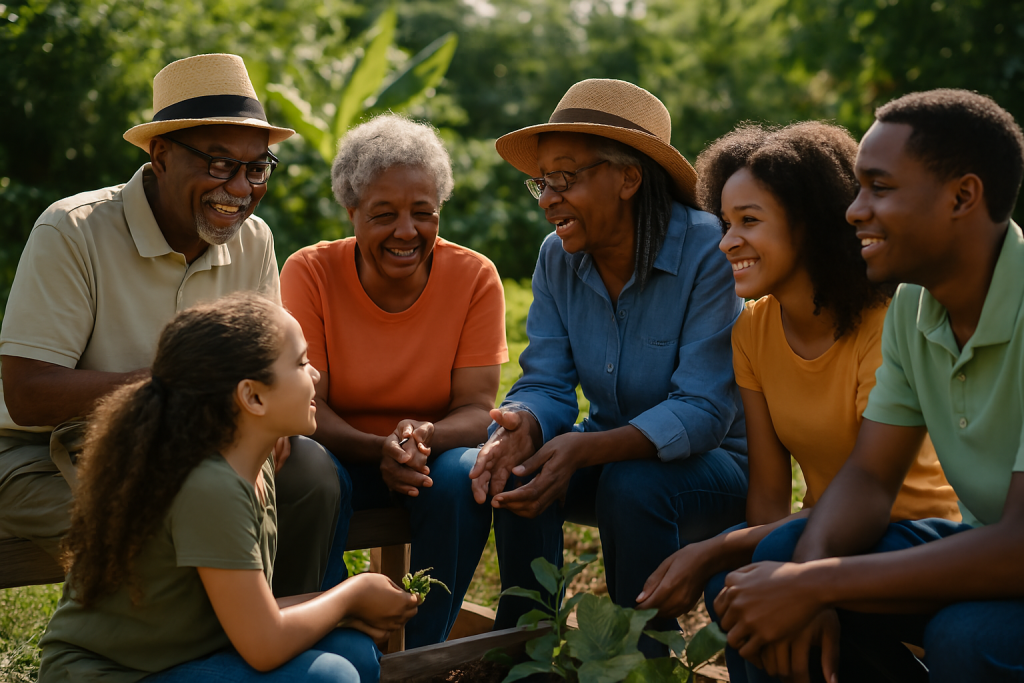
- Laughter with grandkids, gardening with teens, storytelling over sweet tea—it all makes culture tangible.
- When youth and elders share space, resilience turns into routine.
Black seniors aren’t fading—they’re flourishing with flavor and funk intact.
Advocacy in Action
Black elders don’t just challenge the system—they politely correct it with a megaphone. Advocacy isn’t extra—it’s elderhood on purpose.
Community Organizing & Protest
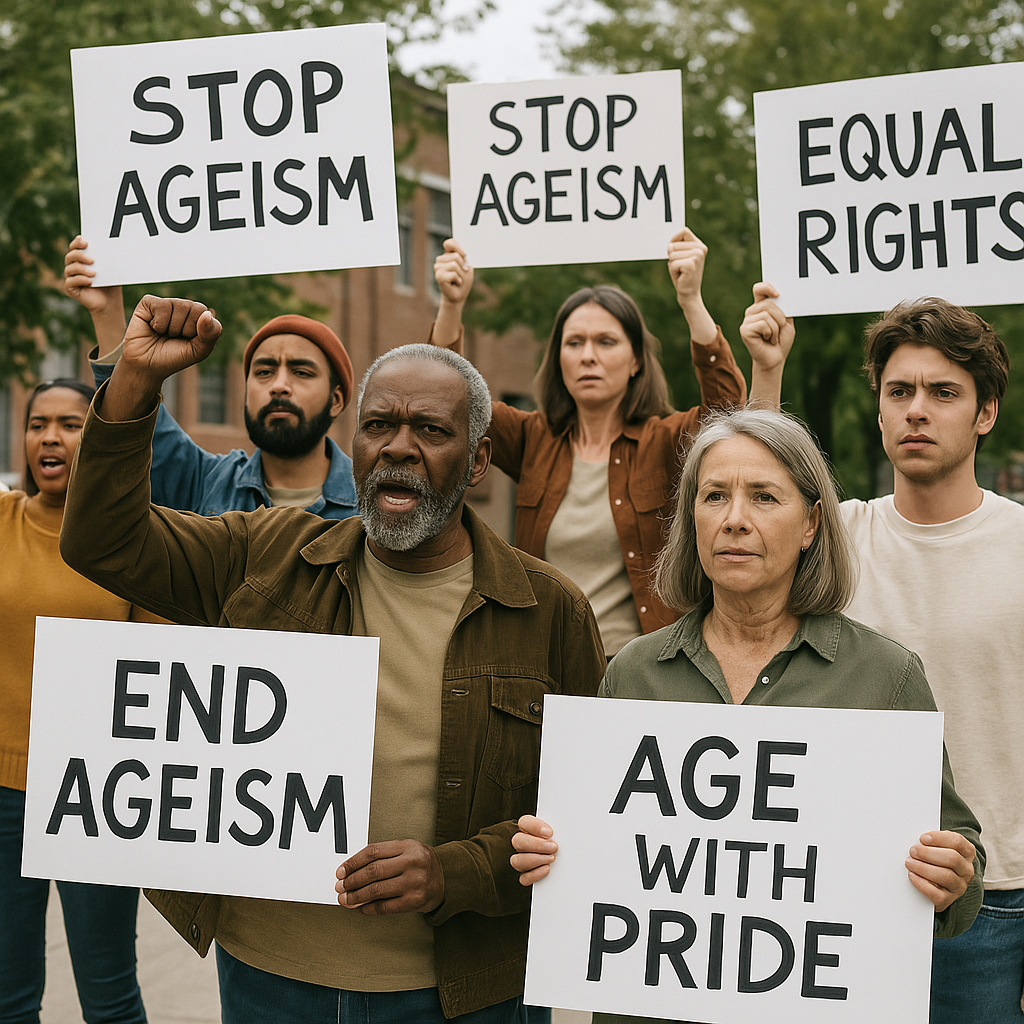
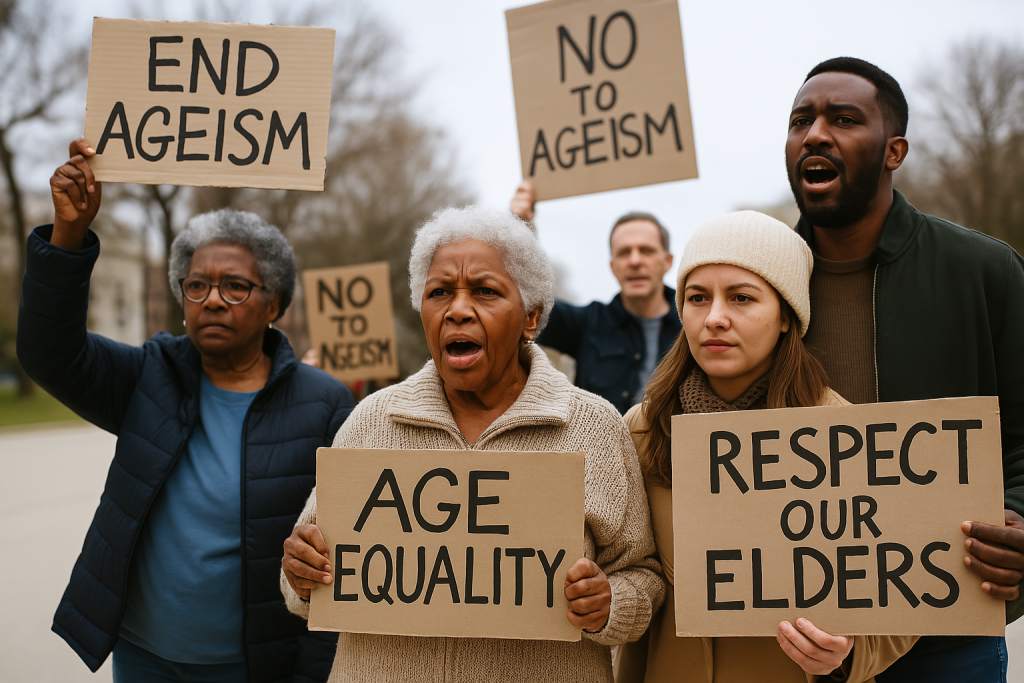
- They've marched, rallied, and sat-in for housing rights and health equity.
- Their signs say “Respect Experience” and “Aging Is Power”—and not just because the font was big.
- These moments matter—they’re stitched with justice.
Legal & Civic Engagement
- Seniors testify, draft proposals, and vote like their grandbabies depend on it—because they do.
- Their civic participation doubles as wellness strategy and community CPR.
Partnering Across Generations
- Coalition-building with Gen X caregivers, youth activists, and cultural historians? That’s how legacy scales.
- When wisdom teams up with momentum, advocacy becomes a full-time love language.
Black seniors aren’t a footnote—they’re the title page of every movement that matters.
Policy That Protects & Uplifts
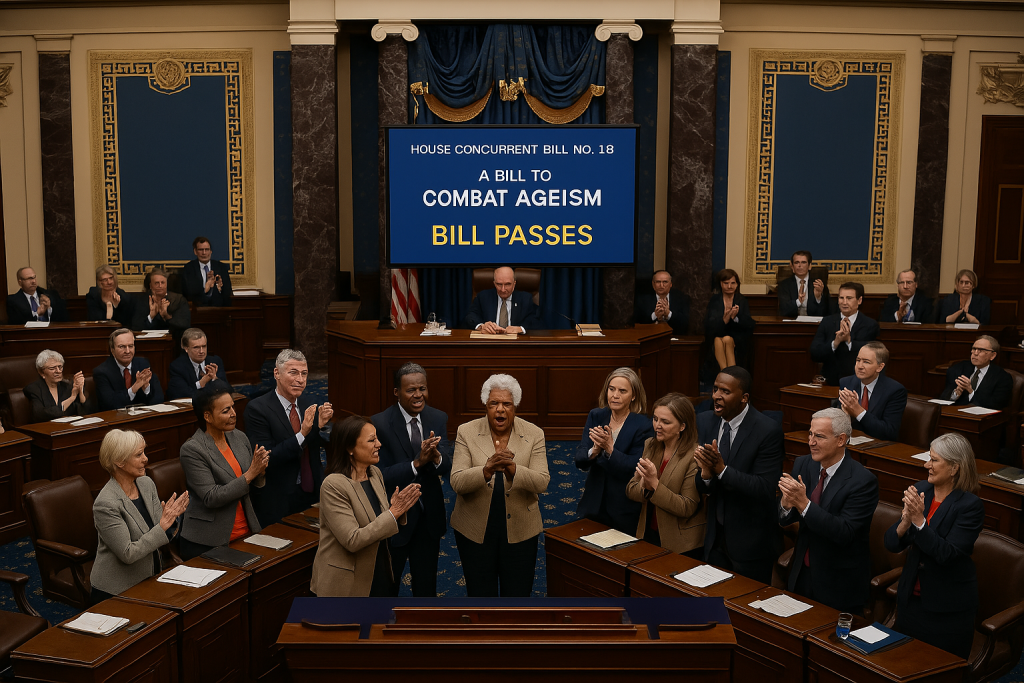
Activism needs receipts—and those come printed on legislation. For Black seniors, justice means systems with soul.
Equity in Healthcare & Mental Wellness
- Expand Medicare to include culturally informed services.
- Train providers like they’ve actually met Black folks.
- Fund clinics that don’t just treat—but understand.
Housing, Income & Caregiver Support
- Make housing safe, affordable, and not depressing.
- Support Gen X caregivers with actual dollars, not leftover stickers.
- Invest in community models that reflect Black elderhood—not fear it.
Legislative Efforts & Elder Advocacy
- Anti-ageism laws should come with a racial equity side dish.
- Expand centers, programs, and access—with elders in the room and on the mic.
- Forget surveys—real change comes when they have voting power and board seats.
Resources from AARP continue to spotlight equity and aging in Black communities.
Mental Wellness & Connection
Mental health isn’t just about avoiding sadness—it’s about nurturing joy and keeping the stories alive.
Reframing Mental Health in Aging
- Normalize therapy the way we normalize sweet potato pie at reunions.
- Kick the myth that aging equals isolation.
- Tell joyful stories of aging with flair, flavor, and a dash of grace.
Community and Belonging
- Connection is medicine. Book clubs, choirs, faith circles—they’re laughter lines with longevity built in.
- When elders lead, everyone levels up.
- Culture-forward spaces reduce isolation and boost the soul signal.
Mindfulness, Movement & Creative Expression
- Gardening, dance, poetry, prayer—these are wellness workouts with ancestral flair.
- Mindfulness doesn’t mean silence—it means remembering.
- Expression heals—and Black elders paint masterpieces daily.
Mental wellness is legacy care. And it deserves to stretch, breathe, and sparkle.
Aging Boldly
Conclusion
Black elderhood isn’t a “last lap”—it’s the victory dance.
They survive systems, outshine stereotypes, and decorate decades with wisdom, wit, and unapologetic joy.
To age boldly means showing up—with rhythm, ritual, and receipts.
It means planting seeds in public spaces, holding court in community kitchens, and living out loud.
As caregivers, storytellers, and keepers of tradition—we shape the future of aging. And we decide whether it feels like love or like loss.
Because aging boldly isn’t resistance—it’s remembrance.
Let’s celebrate that. Together.
Author’s Note
~ronnie is a culturally grounded wellness writer dedicated to uplifting Black seniors through storytelling, legacy, and joy. Blending humor, heritage, and practical insight, his work celebrates vitality, dignity, and connection in aging. Each article is part love letter, part roadmap—ensuring that the voices and experiences of Black elders continue to shine with grace and pride.