
Black Senior Wellness: Growing Wellness for Elders with Culture and Care
Nutrition, Self-Care, and Cultural Wellness for African American Seniors
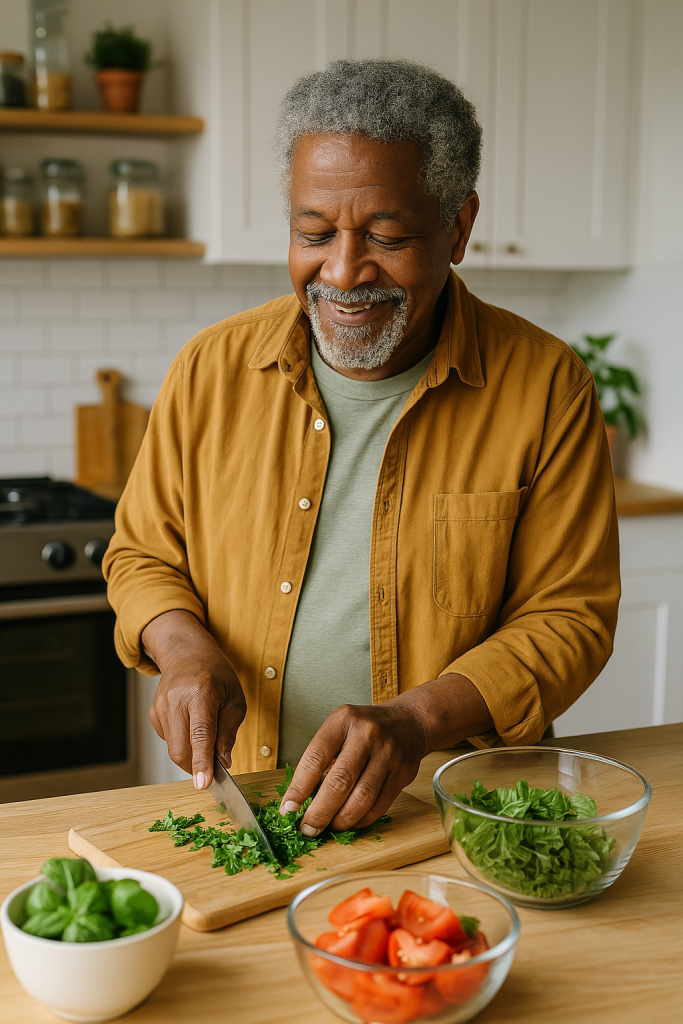
By ~ronnie, the legacy gardener
“Empowering Black Baby Boomers and Gen X caregivers through stories rooted in heritage, healing, and humor.”
Soul Soil and Seasoned Wellness
Black Senior Wellness isn’t just about medicine—it’s about gardening, seasoned recipes, and self-care rooted in heritage.
There’s something spiritual—maybe even religious—about sticking your hands in the soil that once held Sunday dinner. It’s awakening.
For many Black seniors, gardening isn’t just about produce—it’s about preserving tradition and proving that self-care doesn’t have to come in a prescription bottle.
Whether it’s a full-blown backyard with rows of collard greens or a porch planter sporting basil and a stubborn tomato vine, gardening connects past wisdom with present-day wellness. It’s where cultural memory meets muscle memory.
And truth: You don’t need fancy gardening gloves, a wide-brimmed hat, or TikTok tutorials. You need sun, seeds, and spirit.
A little dirt under the nails? Just seasoning for the soul. It’s movement, nourishment, joy—everything a body craves. All of it rooted in a simple patch of earth to help aging bodies thrive.
Let’s dig into how growing herbs and vegetables can help Black seniors age gracefully, laugh louder, and eat better—with flavor and flair.
The Healing in the Herbs
Before pharmacies, product commercials, and Amazon, there was Grandma’s—or Miss Mable’s—windowsill lined with mint, thyme, and maybe a mason jar of something you weren’t supposed to touch until you turned fifty.
Herbs have always played a quiet but powerful role in Black wellness. “Just drink a little of this special tea,” she’d say. They season the meal, soothe the belly, and carry tradition in every sprinkle.
Easy-grow all-stars:
- Mint: Digestive powerhouse and cooling tea base. Bonus? Keeps your porch smelling fresh and your mood even fresher.
- Basil: Anti-inflammatory with a side of flavor swagger. Throw it on tomatoes or steep it into a calming tea.
- Rosemary: Memory booster—perfect for elders who want to season their chicken and stay sharp.
These herbs thrive in patio pots, kitchen windows, or backyard beds. No fancy soil—just regular love and a splash of water.
And guess what? Herbs are wellness disguised as seasoning. You’re supporting digestion, fighting inflammation, and preserving tradition in every stir.
“Big Mama never called it holistic healing—she said ‘Baby, let me fix you a plate.’”
Growing herbs isn’t about becoming a gardening guru. It’s about aging gracefully with flavor, humor, and heritage. It’s self-care you can smell, sip, and serve.
Garden Greens and Fiber Queens
When it comes to powerful plants—those with strong medicinal properties—Black elders have long understood what modern wellness is just now catching up to.
We didn’t call it “fiber-forward.” We called it dinner.
From stewed okra to steamed collard greens, our vegetables have always been more than side dishes. They’re the main event—packed with nutrients, stories, and seasoning that whispers: “This right here will take care of what ails you.”
Garden champions:
- Collard Greens: High in fiber, vitamin K, and calcium. Helps lower cholesterol and blood pressure. Been holding down the table longer than any diet trend.
- Okra: Love it or leave it slimy, but this green giant supports digestion and delivers antioxidants. Gumbo wouldn’t dare exist without it.
- Bell Peppers: Colorful, crunchy, rich in vitamin C. Sautéed, grilled, or raw—either way, they brighten your plate and your body.
Dining on these garden staples isn’t just healthy—it’s holistic heritage. Every stir, simmer, and spice is resilience passed down from kitchens full of love, devotion, and cast iron.
Gen X caregivers, this is your remix moment—Nana’s soul food playbook with a wellness twist:
- Air-fry the okra instead of deep frying
- Add garlic and herbs for added health flair
- Keep Nana’s seasoning blend, but swap the salt for smoked paprika
Because these greens aren’t just fiber—They’re freedom, flavor, and legacy on a plate.
Hydration & Low-Impact Exercise in the Garden
Forget treadmills, workout videos, and pricey gym memberships—gardening is movement with meaning. And it doesn’t cost a thing. It’s the kind of exercise Black seniors have practiced for generations—often without calling it a workout.
- Stretching to reach a stubborn weed? That’s mobility.
- The rhythmic glide of the hoe? That’s steps.
- Hauling a watering can down the porch? That’s strength training with spirit.
Watering plants becomes a hydration ritual. You nourish the garden—and remind yourself to drink, too. Start your morning with a mug of mint tea. End the day strolling past your tomato vines. That’s self-care disguised as a walk.
Low-impact movement benefits:
- Reduces stress
- Strengthens joints
- Improves circulation
- Enhances respiratory function
- Promotes mindfulness
Most of all—it keeps wellness joyful and attainable.
Gen X caregivers, here’s your invitation:
- Water alongside Big Mama
- Stretch and chat
- Let gardening become legacy-shaped cardio
Because movement in the garden isn’t just physical—It’s cultural preservation in action. One planted pot, one porch squat, one sip of herbal tea at a time.
Legacy in a Tomato
In Black families, a tomato is never just a tomato—it’s a reminder that legacy grows from modest beginnings. That first harvest? More than a garden win. It’s proof that healing and heritage can sprout from a single seed.
Gardening for Black elders becomes generational therapy under sunlit skies. It’s where ancestral wisdom meets modern wellness—cultivated through compost, care, and community.
Each tip—“don’t water at noon,” “plant by moonlight,” “talk to your greens”—isn’t just advice. It’s ancestry. It’s Big Mama’s gospel turned into grow instructions.
Gen X caregivers, you’re the new custodians. Swap paper maps for patio planners. Carry root wisdom into the next season.
Legacy lives in:
- The mason jar of saved seeds
- The stubborn tomato plant that won’t give up
- The laughter shared while pulling weeds
- The hand rake older than you
Gardening becomes emotional architecture: Each stem built with love. Each leaf shaped by memory. Each vegetable a symbol of vibrant health. Because aging well isn’t just about living longer—It’s about growing deeper.
Growing Food, Growing Freedom
You don’t need acres of land or fancy equipment to grow something that heals. Just a purpose—and maybe a few seeds that know your story.
For Black elders, growing herbs and vegetables is more than nutrition. It’s nourishment with intention. It’s reclaiming health. It’s restoring independence. It’s legacy in bloom.
Even starting small—pots of spices, a tomato vine climbing a porch rail—is an act of self-care and celebration. It says: “I choose what feeds me.” That’s freedom in its purest form.
Gardening empowers Black seniors to:
- Honor tradition through flavor
- Connect movement with meaning
- Eat with dignity and awareness
- Pass wisdom down with every harvest
And Gen X caregivers? You’re the bridge.
- Help pick the seedlings
- Swap recipes
- Share Sunday garden playlists
- Capture the smiles and stories with every harvest
You’re not just assisting—you’re amplifying legacy. Because growing food isn’t just about greens and tomatoes—It’s about grace, flavor, dignity, and joy.
Let the garden remind you:
- That your body is still strong
- That your roots still run deep
- That every season is a chance to grow again
So whether you start with a patio pot or build raised beds out back, remember: You’re not just growing food… you’re growing freedom.
Author Bio
~ronnie, the legacy gardener is a culturally grounded storyteller whose work blends humor, wellness, and tradition for Black Baby Boomers and Gen X caregivers. With roots in intergenerational wisdom and a love for flavorful self-care, Ronnie writes to empower readers to age joyfully, move meaningfully, and preserve legacy through every herb, harvest, and homemade remedy.