The Knee Crack Chronicles: Aging Loudly and Proudly
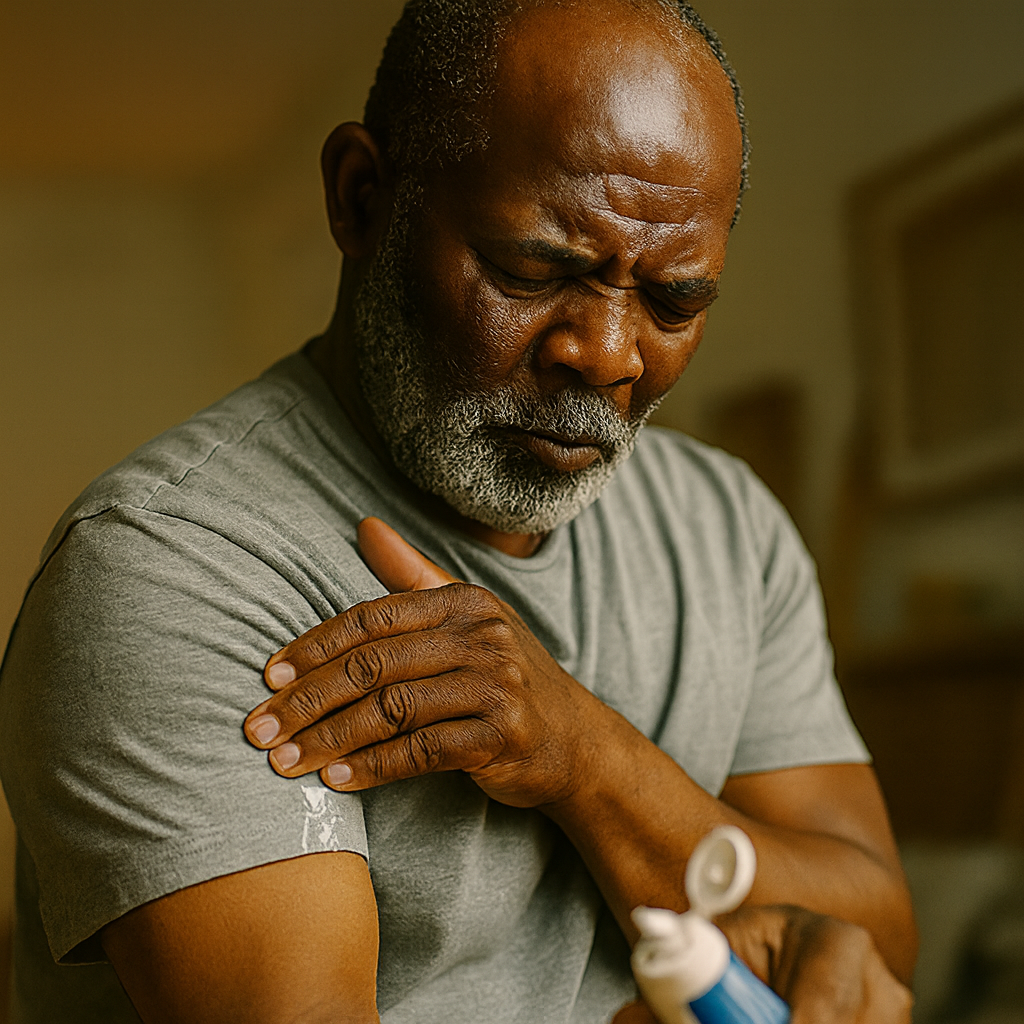
From ankles to elbows, Black elders are embracing the soundtrack of aging with humor, pride, and a little bit of WD-40.
By ~ronnie
“If you hear me coming, it’s not the shoes—it’s the legacy.”
Snap, Crackle, Pop: The Rhythm of Black Elder Bodies
That snap, crackle, pop you hear? It’s not a bowl of Rice Krispies. It’s the sound of years spent walking miles to work—to feed a family. Years of bending over, picking cotton for the man—or whatever he was called back then.
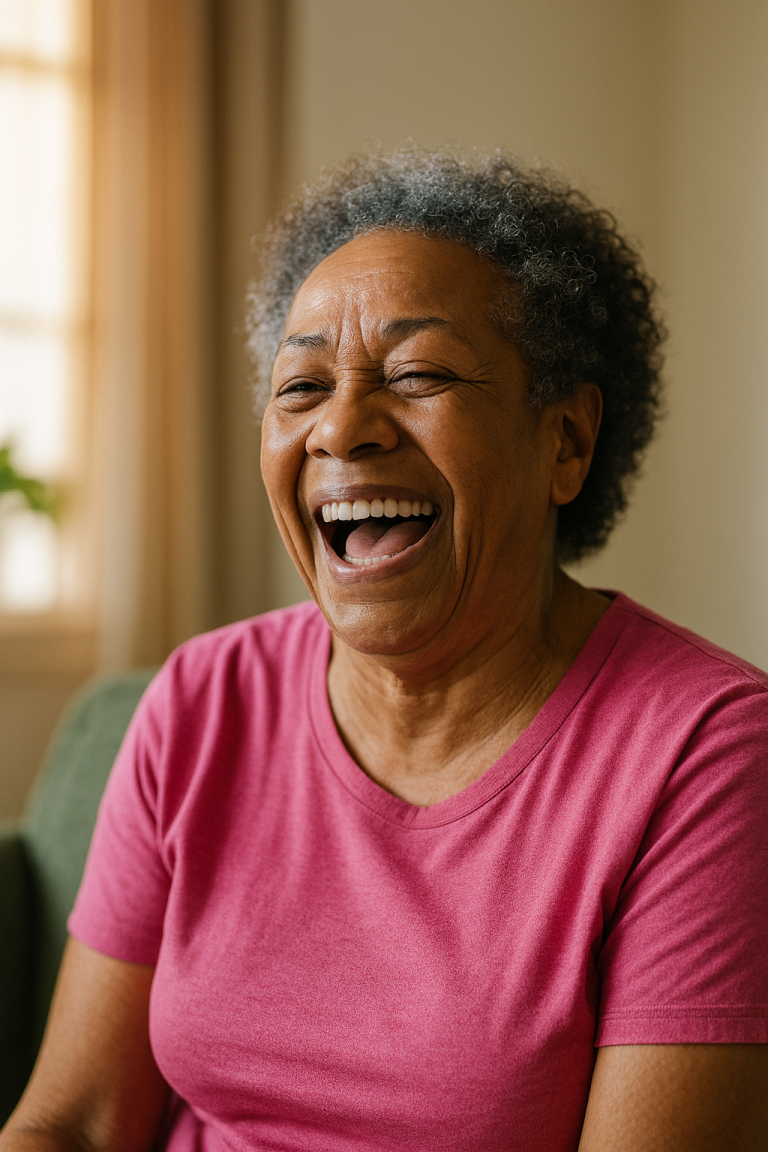
No, that sound you hear is the body of our elder shouting, “My body is legacy.” And it’s not protesting—it’s claiming itself jubilantly.
These noises from our elders aren’t just wear and tear—they’re rhythm. In Black eldercare, those sounds mark time, memory, and movement through decades of lived experience.
You can read about Black culture in books. You can listen to it in audio. But our elders? They carry it in their bones. Just listen
The Cultural Humor Behind Aging Out Loud
“Mama, when you get up your bones scream. Does it hurt?”
“No, baby—that’s my body reminding you it paid for your college education.”
Our elders share their journeys, struggles, and injustices endured—not just in words, but through their bodies.
People travel to the Smithsonian’s National Museum of African American History & Culture to witness legacy. But much of what they seek can be found in an elder’s living room. The sounds their bodies make are a testament to what it took to raise a family. And the fact that it’s talked about—and joked about—proves it was all worth it.
“Daddy, that sounded like it hurt when you got up.”
“No boy, that was just this old body telling me to move slower. My intention wasn’t right.”
“But I’m still here, still moving. I just have to listen to my body—and make sure my intention is right.”
Gen X Caregivers and the Echo of What’s Coming
“Baby, go get me that BenGay out of the bathroom.”
Gen X is starting to hear their own body symphony.
“Baby, gimme a hand getting out of this chair.”
They’re not fighting what they know is coming—they witnessed it firsthand. But they’re preparing the best they can.
Gen X bodies have their own history to tell, and it will be told.
“Boy, I remember pulling an extra shift at work so you could go to summer camp. I hope you appreciated it.”
“Because my body refuses to let either of us forget.”
They know what to expect. They’ve learned to laugh, stretch, and reach for the Bengay—preparing for the music their bodies will make.
All done with pride, not panic.
This is the truth of aging in Black bodies—from cracking knees to creaky backs. These sounds carry humor, legacy, and cultural pride. It’s a nod to the rhythm of elderhood.