
I’m Not Cheap, I’m Experienced
The art of knowing what things should actually cost.
By ~ronnie
“I don’t haggle—I just remember when quality didn’t come with a surcharge.”
The Wisdom Behind the Wallet
To say our elders went to the school of hard knocks would be putting it mildly. The social injustice and racism they endured touched every part of their lives—especially how they fed their families. They managed to raise children on little to nothing. Money was tight, sometimes nonexistent, and every dollar had to stretch across food, clothes, and survival.
“Boy, take your school clothes off before you go outside to play.”
“I don’t have no money to buy more.”
And it was true—she didn’t. That was a constant worry in Black households. Where was the next dollar coming from? Where was the next meal? The kids saw food on the table; Mama saw a miracle. She was a magician with a wallet, stretching pennies and still managing to keep her family fed and clothed.
Inflation vs. Instinct
For many Black elders, inflation wasn’t the main concern. Making enough money from low‑paying jobs to feed their families was the priority. The inequities of the time taught them how to stretch a dollar. They weren’t cheap—they were lacking.
They shopped at neighborhood stores that were struggling too. Those stores weren’t getting breaks on their goods, which meant no weekly sales or markdowns to pass along. They weren’t dishonest—they were surviving the same system.
Growing up under those conditions shaped the wisdom our elders carry today. Every penny was measured out of necessity. “Mama spent her money like no more was coming,” and she wasn’t sure there was. That legacy taught us that spending wasn’t just about survival—it was about understanding value. The price tag didn’t always match the worth.
When Mr. Brown at the grocery store said the ham hocks were a good deal—maybe they were. But not to Mama’s purse.
She wasn’t cheap—she evaluated every transaction. That’s the legacy: resilience, discernment, and perception passed down through generations.
The Value of Value
Everybody knew Mr. Joe. He’d been cutting the white man’s grass for years, but what he was known for in the neighborhood was his lawn mowers—and the many parts scattered around his yard. He never had a new mower. His mower was pieced together from ones other folks had thrown away.
Mr. Joe trusted what he built himself. He didn’t know the new ones in the store—and they cost more than he could afford.
Big Mama was the same with her sewing machine. The same machine her own Mama had sewn on. She made all the kids’ clothes. One day, she considered buying her grandbaby a dress, but when she went to the store, she tugged on the hem, paused, and put it back. Then she headed to the fabric store instead.
She knew the value of what she was making. Her hems were stitched with love and durability—and a tractor couldn’t pull them loose.
In the Black household, value was found in what we knew—not in the mysteries of what was bought.
Cultural Pride in Practical Spending
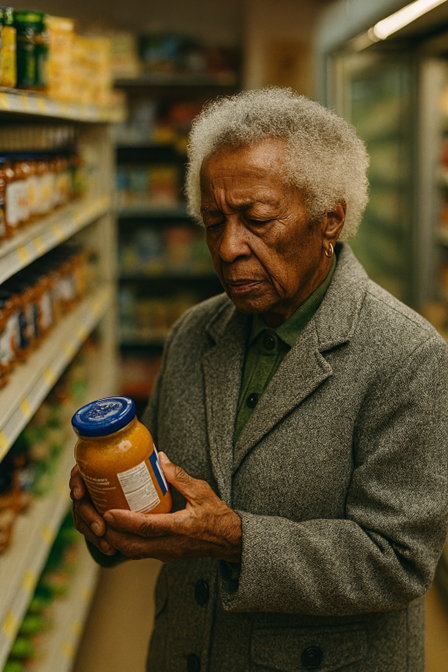
Black elders have always stretched a dollar with dignity and discernment. The lessons they taught were often unspoken. You remember being a child at the store, watching—never questioning—as they pulled, tugged, and inspected everything. Many items were rejected without explanation. The one that passed the “Elder test” was the one that came home.
At one point, that elder was a child learning the same lesson in the same way. Black elders have been stretching a dollar since pennies were made of copper. And the legacy of getting your money’s worth was taught as a lesson in survival.
Money wasted might mean a meal not served—and that would not happen.
Legacy Lessons in Cost Awareness
Our elders carried enormous responsibility—feeding and clothing their children with little or no money. Every penny was watched closely. There was no room for mistakes and no tolerance for being swindled out of one red cent.
So clothes were tugged, hinges were tested, and prices were questioned. It wasn’t distrust—it was survival. They couldn’t turn to extended family for help; those families were living through the same injustices and the same lack.
These lessons were passed down quietly. We watched and learned. And when we ask, “Mama, why are you pulling on those clothes?” or “Daddy, why are you kicking that tire?”—the answer is simple:
“That’s what my mama or daddy did.”
Our elders lived by the proverb: “Trust but validate.”
It wasn’t being cheap.
It was being experienced.