When Elders Stop Driving — And Nobody Notices the Grief Behind It
How giving up the keys becomes one of the quietest, deepest losses our elders carry — long before anyone realizes what it meant to them.
By ~ronnie
“Losing the car isn’t about the car — it’s about losing the freedom to move through the world on your own terms.”
The Day the Keys Don’t Feel Like Yours Anymore
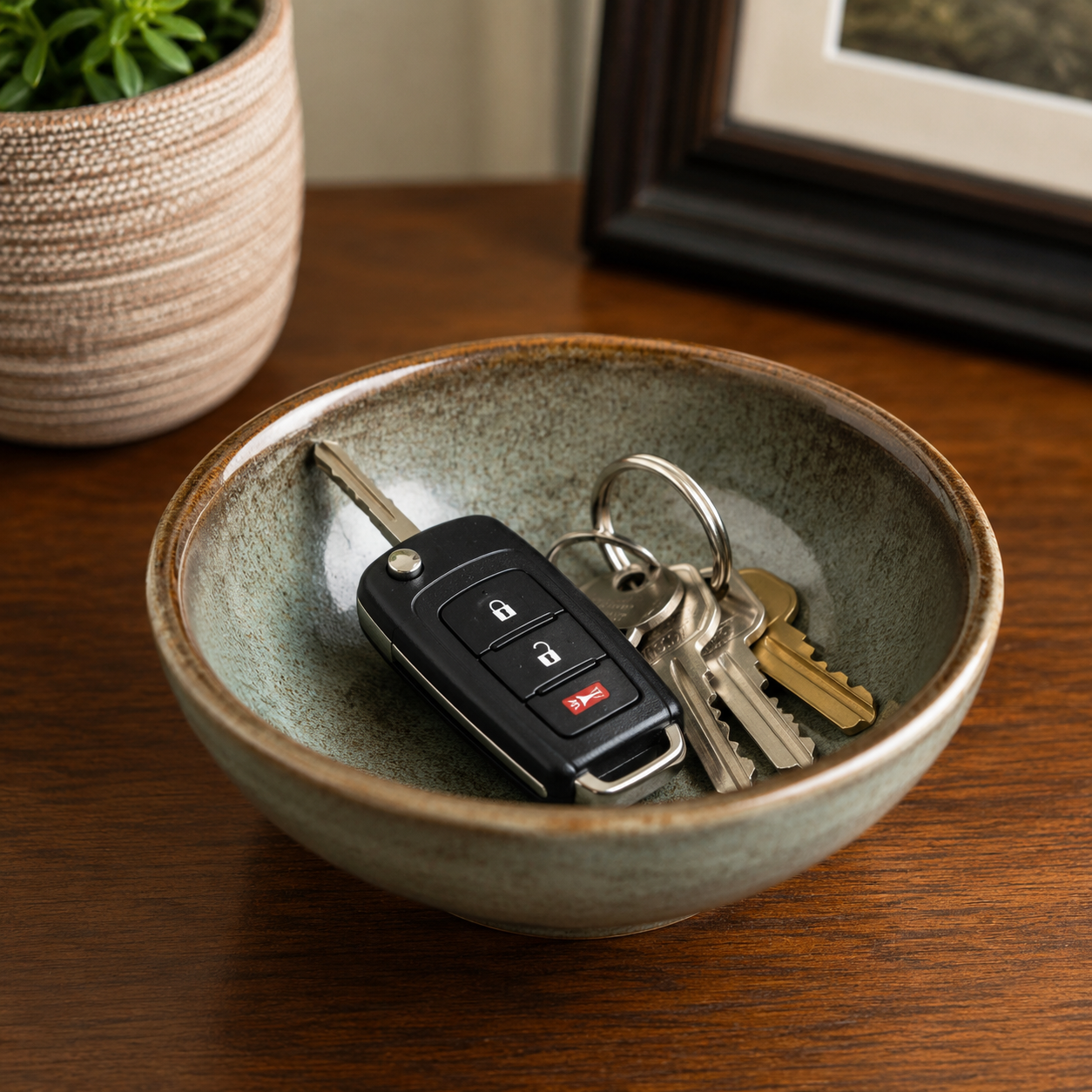
There’s something strange about seeing my Uncle Bill’s old Mercury just sitting under the carport. It’s washed and waxed like it’s ready to hit the road, but the truth is, it’s parked for good. The keys sit in a bowl by the front door now, a quiet reminder of days that won’t return. That Mercury used to be the definition of my uncle’s independence — now it’s the symbol of independence lost.
The Freedom Nobody Realizes They’re Losing
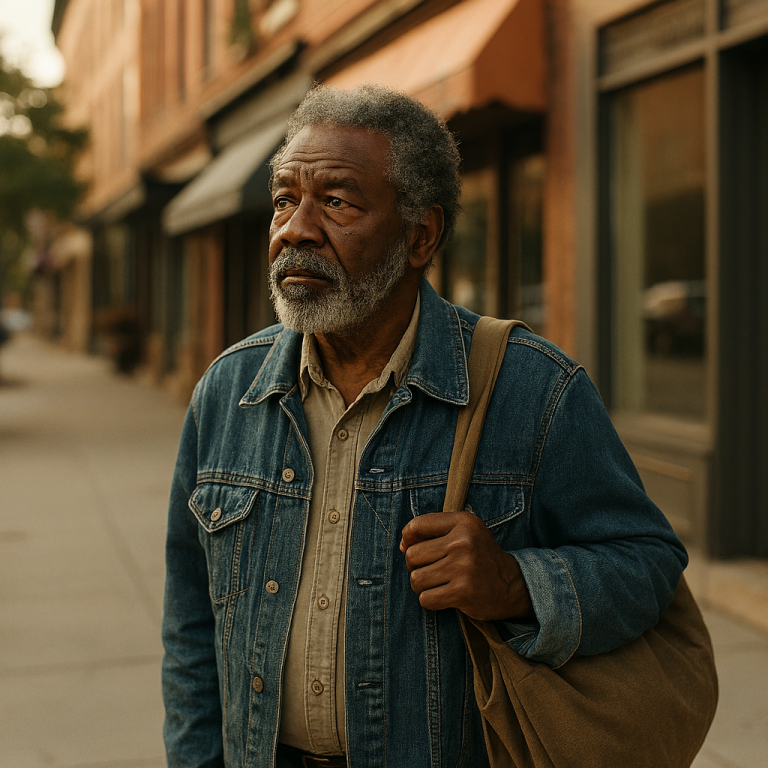
The Mercury was more than a car to my uncle; it was freedom, independence, and dignity all in one. Through all the struggles he faced as a Black man, being able to move when and how he needed gave him a way to navigate society’s treacherous currents. Elders like him always knew this day would come, but that didn’t make him ready for it. He held on to what little independence he had left by keeping that car washed and waxed — that part of himself wouldn’t be taken from him.
The Grief Hidden Behind “I Don’t Drive Anymore”
Just because it isn’t spoken out loud doesn’t mean the grief isn’t real. Pride won’t allow it to be named, but the pain of loss still digs deep. Some pain lives in silence, masked behind routine and the need to keep going. Elders may never say how deeply the loss cuts them, but it shows up all the same. The keys sitting in the bowl in the hallway speak louder than words. Having to ask for a ride to the grocery store, to church, or for a simple errand becomes a constant reminder of who they used to be — and what they could once do for themselves.
When Family Thinks It’s Just About Safety
“I am so glad Daddy is not getting in that car and driving anymore.” The family’s concern is real and rooted in love, but they don’t understand how deep the grief runs. Loved ones focus on eyesight and reaction time, while elders grieve something far more personal: identity. They mourn the freedom to go wherever they pleased, whenever they chose. The hardest part isn’t deciding where to go — it’s the unease of figuring out how to get there now that they can’t do it on their own.
The Loneliness of Having to Ask for a Ride
Uncle Bill had a standing weekly engagement with Miss Lucille at the Bingo Hall. He’d get dressed up sharp and pick her up at 8:00 on the dot. He enjoyed her company just as much as the oatmeal cookies she always brought along. But now, he couldn’t bring himself to ask anyone in the family for a ride. Without his independence, his world began to shrink. Outings like Bingo, and the small joys that came with them, became fewer or disappeared altogether. It wasn’t that he couldn’t get a ride—he just didn’t want to inconvenience anyone. This was a man who had raised a family, paid a mortgage, and worked every day before retiring—all on his own terms. He was always the one calling the shots, never asking for anything. And now he couldn’t even drive himself to the grocery store. Losing that independence meant losing a piece of his pride.
How We Can Show Up Better
Once we understand the emotional impact that giving up driving has on our elders, we can support them in ways that preserve their dignity. Invite them to ride along on your weekly grocery trip. They may feel as if their world is shrinking — don’t let it. Bring them out more. Include them in family gatherings. If they live far away, plan your visits so each one feels like a celebration. Losing the ability to drive has affected them more deeply than they’ll ever say. They can no longer move through their world the way they once did. Now that you understand what they’re carrying, help by making them a bigger part of your life. The joy you bring back into their days can soften the grief they’re quietly holding. And slowly, those keys in the bowl become less of a reminder of what they lost — and more of a reminder of how deeply they’re loved.