When Elders Start Saying “I Don’t Feel Like Myself” and You Know It’s Not Just Aging
The quiet unraveling that happens when the strongest person in the family starts slipping.
By ~ronnie
“When they say ‘I don’t feel like myself,’ it’s not about memory — it’s about meaning slipping away.”
The First Time You Hear It
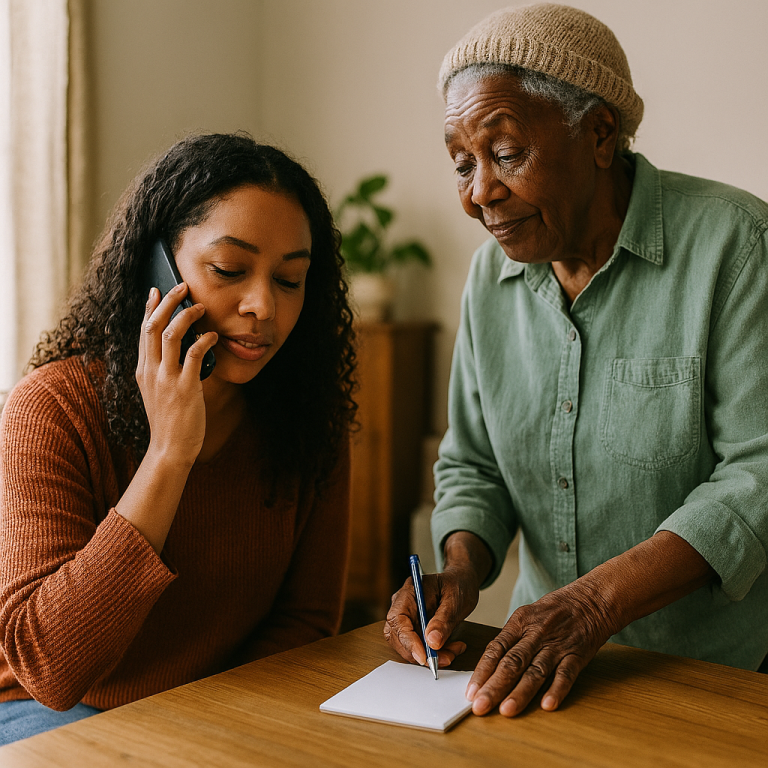
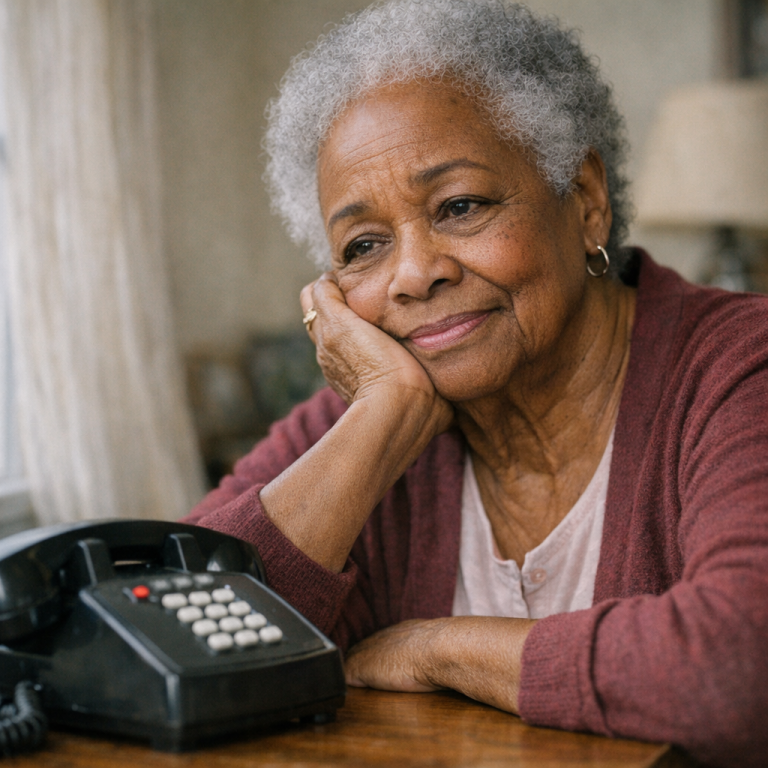
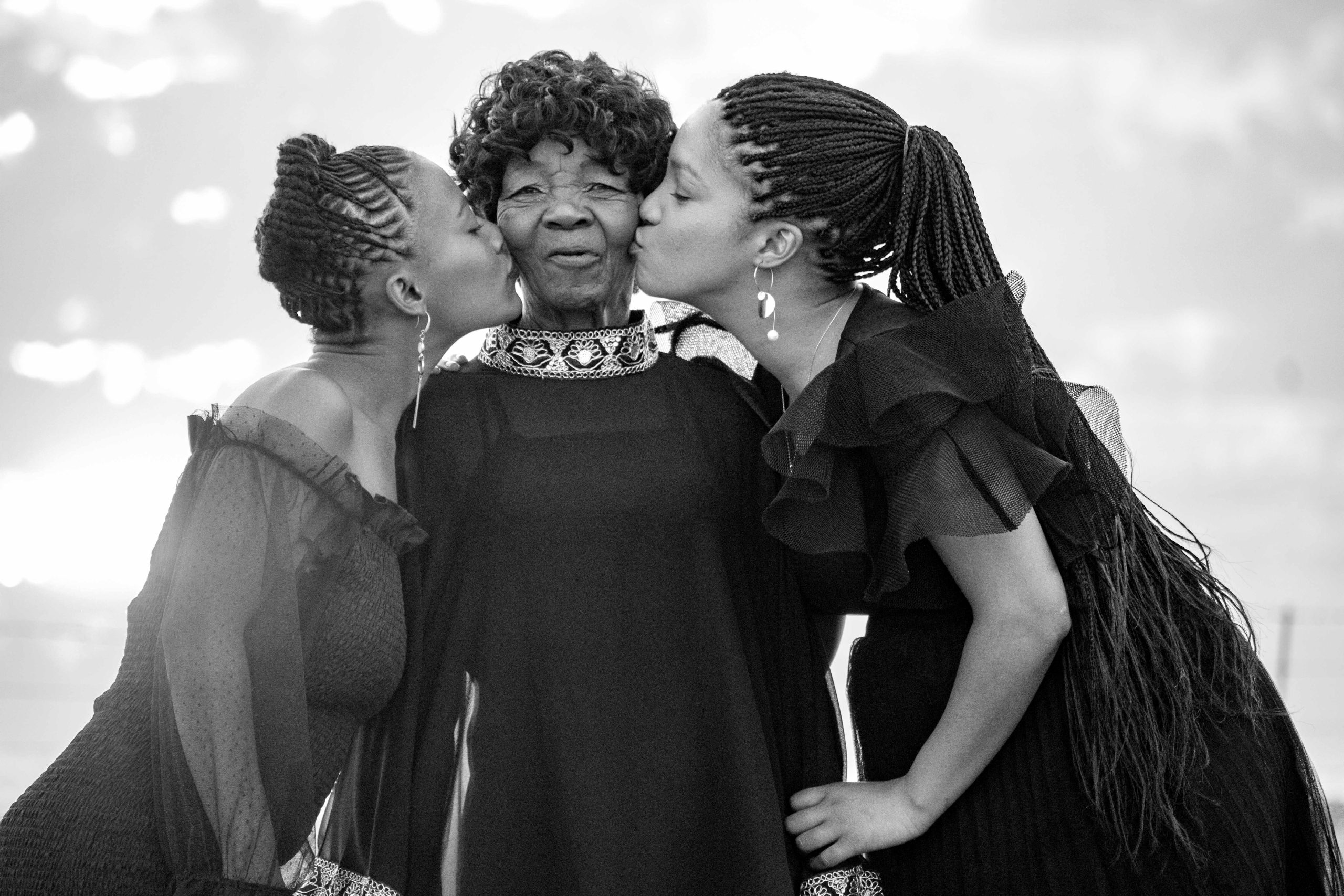
You go to pick up your kids from their overnight stay at their grandmother’s house. While they’re running around grabbing shoes, backpacks, and toys, you and your mother sit at the kitchen table like you’ve done a thousand times before. Then, out of nowhere, she says, “I just don’t feel like myself.”
You freeze.
Startled, you ask, “Mama, are you in pain? Is your blood pressure acting up?”
She shakes her head. “No, baby. I feel fine.”
But something in her voice tells you this isn’t about pain. This is your mother, your idol, the woman who held the whole family together with her bare hands. Suddenly the noise of the kids fades into the background because all your attention is on her.
You think back to the little things you brushed off: her going to bed earlier, her being quieter than usual, her moving a little slower.
You told yourself it was just age. Everybody gets older. Everybody slows down.
But now you realize this moment is different. She isn’t just tired. She isn’t just slowing down. She is letting you know, gently and quietly, that she has accepted something you weren’t ready to face. She is entering a new season of her life, and the changes you thought were small are about to get bigger.
This wasn’t a complaint. This wasn’t a warning. This was your notice.
The Things They Stop Doing
When I get the kids home and finally into bed, they are smiling, full, and worn out. That kind of tired only comes from a night spent at their grandmother’s house. That alone tells me Mama taught me well. I pour a glass of wine and sit down, replaying the conversation we just had at her kitchen table.
Then all the other little things I brushed off started coming back to me.
Just last Sunday, Mama wasn’t the one over the hot stove. She was sitting in her chair, giving instructions while everyone else cooked. A few weeks before that, she bowed out of our yearly family cookout, something she never missed. Earlier this month, she skipped church. We all thought she was coming down with something, but she simply said she didn’t feel up to going.
Even when she did go the following Sunday, she wasn’t dressed like herself. No hat. Mama was known for her colorful hats, each one matching her outfit perfectly. Seeing her without one felt like a small shift, but now I realize it was a sign.
She wasn’t stopping everything. She was doing the same things, just at a different level. A slower level. A quieter level. A level that said, “I’m still here, but I don’t have the same energy I used to.”
The Emotional Fog You Didn’t See Coming
We were in the den talking when Mama walked in and stopped. Not confused, just blank for a second. “Damn… what did I come in here for?” she said. She had simply forgotten. Or we would be mid‑conversation and she would pause, look off for a moment, and say, “What was I about to say?” Again, she had forgotten.
Sometimes she even forgets the names of her own grandchildren, the same kids she has been calling by name since they were babies. This isn’t dementia. This is what it looks like when someone is emotionally checked out at times, when the weight of life has worn down the sharp edges of who they used to be.
Mama has even stopped correcting me and fussing at me. You would think I would be happy about that, but instead, it worries me. I never thought I would miss being fussed at by my Mama. But the total shot‑caller she used to be has faded, and I catch myself wondering where that version of her has gone.
What is strange is she doesn’t seem unhappy about it. She seems at peace, like she has accepted this new version of herself. And while that peace eases some of my worry, it also raises a new question I wasn’t ready to face.
If she is stepping back, who steps forward?
We have leaned on her for so many years that the idea of her letting go feels like the ground shifting under our feet.
The Moment You Realize You’re the Anchor Now
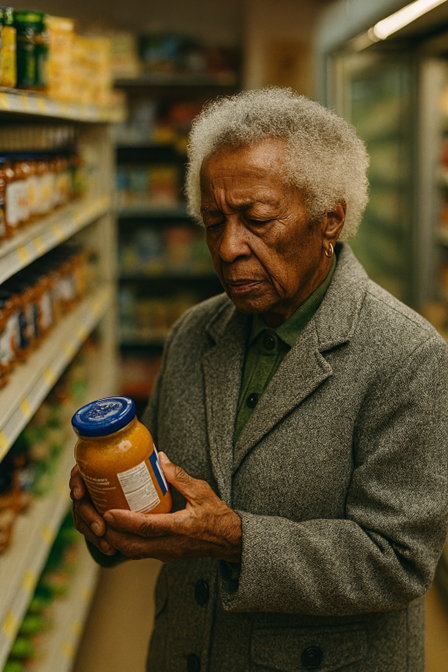
I am getting dressed for the weekly grocery run, and like always, I head straight to the refrigerator to grab the list Mama keeps hanging there. Except today, there is no list. She isn’t home for me to ask, so I make one myself. Maybe it is a one‑off. Or maybe she forgot, something that has been happening more lately. Either way, we still have to eat, so I handle it.
When I get back home, I sit down with the family calendar to plan my week. But the calendar is blank. Completely empty. Mama usually keeps it updated with precision, birthdays, appointments, reminders, everything. And I know she has doctor’s appointments coming up because she told me, but if they aren’t written down, I don’t know when they are.
That is when it hits me. This can’t go on.
These little systems, the list, the calendar, the reminders, are what keep this family running like a well‑oiled machine. And suddenly, they are slipping.
But the moment everything truly shifted was Saturday night, when I asked Mama what we were having for Sunday dinner. Normally, she has the menu planned days in advance. This time she just said, “I don’t know, baby. Whatever you cook.”
That was it. That was the handoff. That was the moment I knew the baton wasn’t being passed. It was already in my hand.
She prepared me for this. She trained me for this. And now it is my turn to be the shot‑caller, because when things go wrong, the family will be looking at me for answers, not her.
What They Need Most, Even If They Don’t Say It
I sat down with Mama and told her everything she has done for this family, how much it has been appreciated, how much it has been needed, and how much it shaped all of us. I told her I noticed the things she has stopped doing, the things she has slowed down on, and that I finally understand. It is time. She prepared me well, and now I will take on the things she used to handle. She deserves a break.
Mama has been the anchor of this family for decades. Even if she is stepping back, her guidance will still matter, just in smaller doses and at her own pace. I thanked her from the bottom of my heart because I wouldn’t be who I am without her. None of us would.
I told her, “We still have a lot to learn from you. And we know you will teach us, just in your time and at your speed.”
The kids will still want Big Mama’s bread pudding. That is something nobody can replace. And maybe one day she will want to share that recipe with me, but again, only when she is ready.
She has aged, yes. But she is still here. We still see her. She is still Mama to me, and Big Mama to the kids.