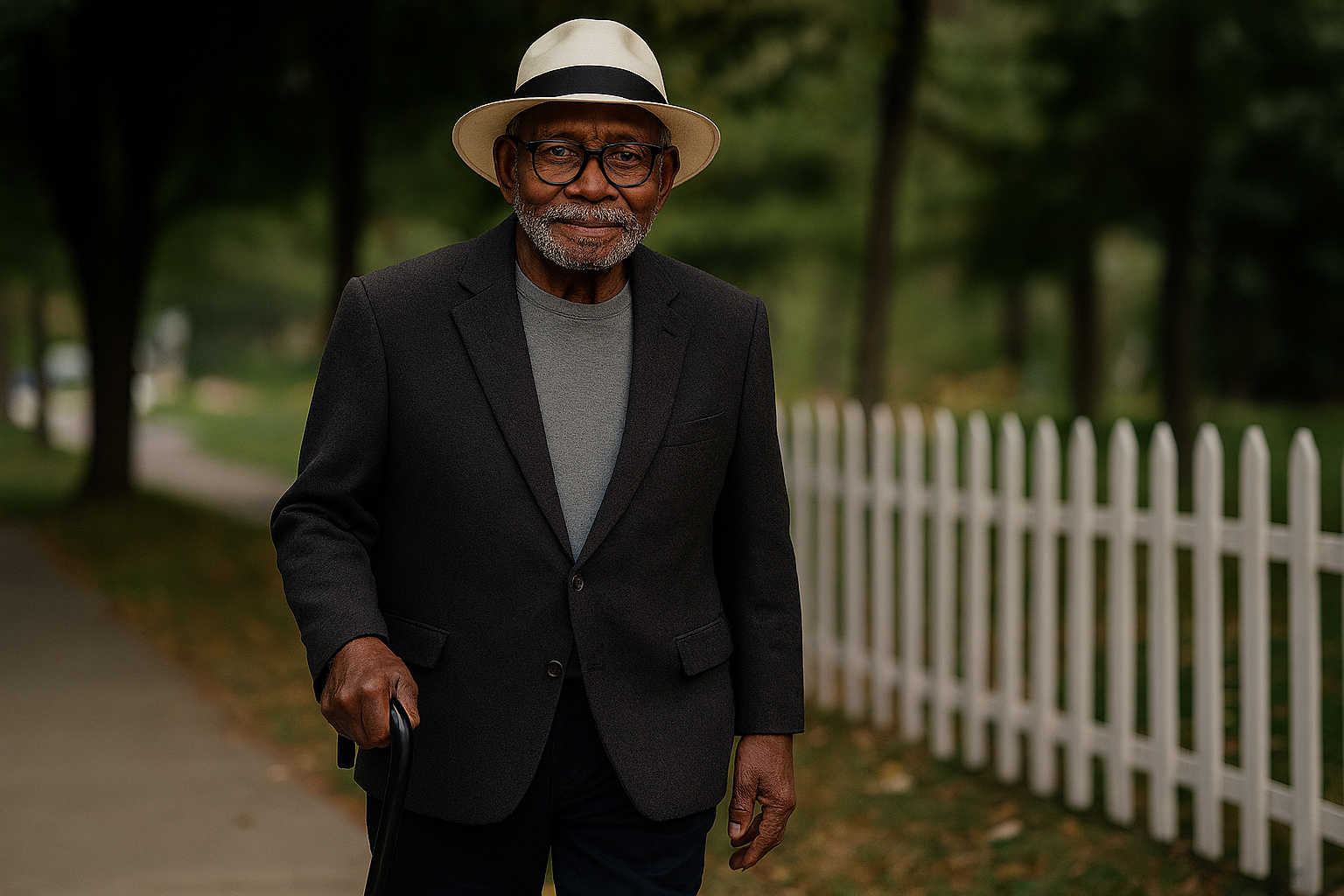
From Rhythm to Resilience: Why Black Elders Still Outpace the Young
A stitched reflection on how Black elders stay active, outwalk the young folks, and carry cultural pride in every step.
By~ronnie
“They walk slow, but they don’t stop—and they sure don’t fall behind.”
Walking Was Never Just Exercise
“We outwalk pain, pride, and the past.” If there’s one quality our Black elders have mastered, it’s resilience—the quiet strength to adapt. Like the generations before them, they’ve endured persecution and hardship, and each trial has only made them stronger. Compared to that, exercising is just a drop in the bucket.
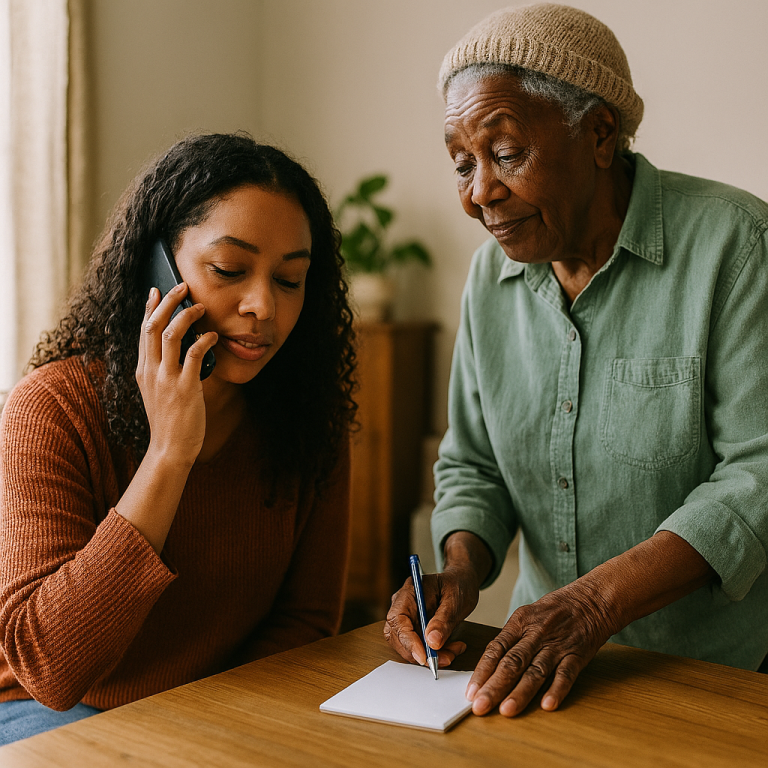
To Black elders, aging was just adapting. Just continuing what they’ve always done—handling their business day by day. Whether it was pulling weeds out of the garden, walking to the grocery store for milk, or checking on a neighbor down the block, they got their movement in. Not for fitness apps or step goals—but because that’s how they lived. That’s how they endured.
Mobility Tips That Actually Work
Changing it up a bit—because you’re getting older, wiser, and better—you want to stay as healthy as possible. Pulling weeds and walking to the store still count, but there are low-impact exercises that support joint care, balance, and strength:
- Low-impact cardio like swimming, yoga, and stationary cycling. These are gentle on the joints and good for your heart.
- Balance exercises such as standing on one leg or walking heel to toe help improve stability and reduce fall risk.
- Strength training with resistance bands or small weights builds muscle and supports joint health.
You’re not training for the Olympics. These are exercises you can do with a partner. You’re just improving what you already have and staying mobile—without gimmicks or shame.
Outwalking the Young with Humor and Grace
That fabled race between the tortoise and the hare? The tortoise kept it slow and steady—and won. But our elders aren’t trying to win the race. If they do, oh well. What they’re really doing is showing the younger generation how to finish with style and grace.
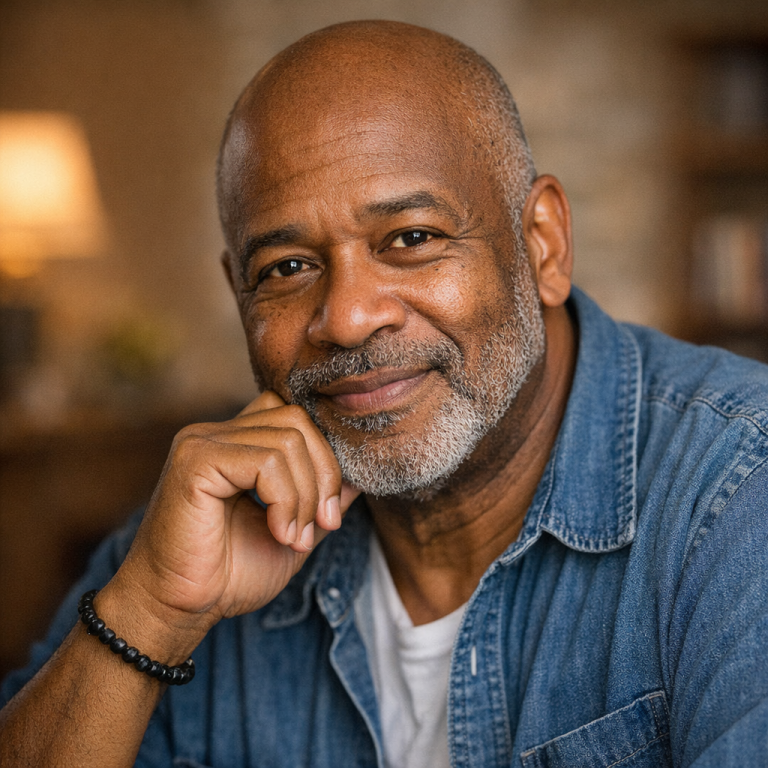
“Whenever someone tells Mr. Joe he’s old, he just smiles and says, ‘You should be so lucky to make it this far.’” That’s what owning it looks like—just like the way he cruises around town in that ’85 Cadillac, like it’s still brand new.
“They got sneakers—we got stamina,” because we ain’t trying to win no race, just glad to be racing. Elders don’t just keep up—they outpace the young with laughter, wisdom, and a steady stride.
We outwalk pain, pride, and the past.
Walking as Legacy
When a Black elder takes a step, each one is stitched with survival. It’s not just movement—it’s remembrance. You could call it perseverance, yes, but it’s really resilience that brought them this far.
To most, walking is just putting one foot in front of the other. But for our elders, it’s the journey those feet have already traveled. Part generational pride—pride for surviving systemic opposition. Part personal pride—for enduring and adapting. The road to simply walk again was treacherous. But every stride is legacy walking.
Black elders carry the cultural endurance to withstand anything in their path. So yes, when they walk—no matter where or when—it’s a legacy act.
The Walk Is Still Sacred
They still weed that garden. Still walk to the store for Lotto tickets. All of it is healthy—but more than that, they’re walking with pride. Black elders walk like they know where they’ve come from. And they know exactly where they’re going.
Whether it’s a casual stroll or a stretch, they walk with purpose—and Gen X is learning to follow. Getting it done is the goal, not how it gets done. And if they decide to skip a day just to flip the script? They’d be skipping with the same legacy.
Their motivation runs deep. It might be the memory of unfair treatment in the assistance line. Or the weight of everything they’ve endured. What matters is they’re using what was once against them to move forward. That’s not just resilience. That’s sacred.