When Your Elders Start Needing You More Than You Need Them
The moment the roles shift — and nobody says it out loud.
By ~ronnie
“The hardest part of aging is pretending you don’t notice the things you can’t do anymore.”
The First Time You Notice the Shift
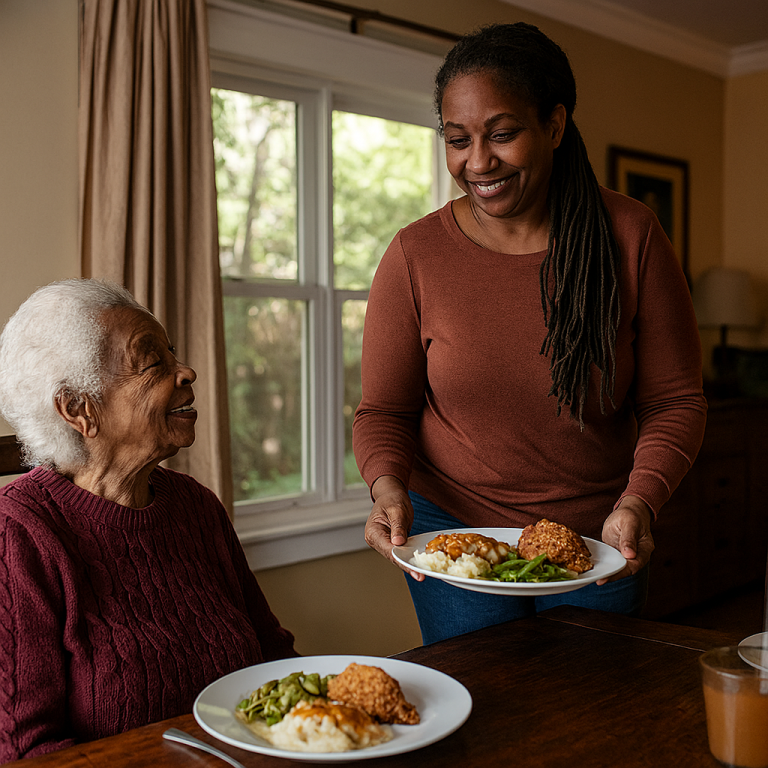
“Boy, I remember when I was still washing your dirty drawers, and you were twenty‑nine.” But did you notice how lifting that basket started getting hard for me? Because it did. Cooking you three meals a day used to be a pleasure, watching you inhale your food like you were in a contest. But standing over that hot stove slowly turned from joy to misery. And driving? That became a challenge once my eyes started failing me.
Yes, the time has come — and I don’t like it. You used to depend on me for everything, from changing your diaper to feeding your greedy behind. And now I may need you. This season comes for all of us, and it’s called aging. Your first hint was my hair turning gray, and I hope that was the only sign.
I know it might feel like a cramp in your lifestyle, because I’ll need your help from time to time. Not much at first, but more as the years go on. You might have to shift your calendar a little, but we can make this work. Just remember one thing: I’ll always be the parent — not your child.
The Things They Don’t Want You to See
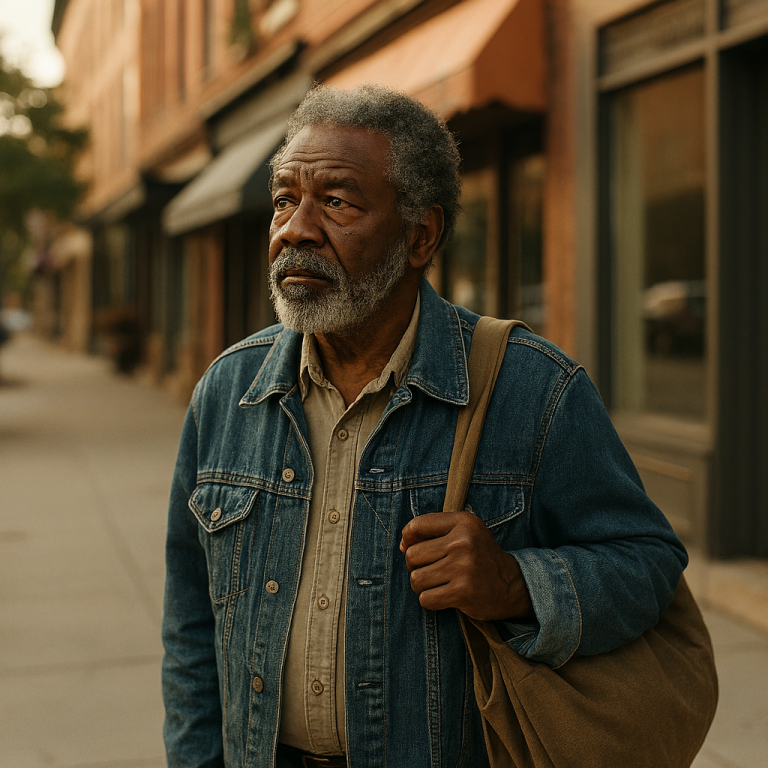
African American elders were the same people who marched in Selma in 1965, fighting for the right to vote. Those same elders now walk with canes and lean on walkers — but don’t get it twisted; they would still march today if called upon. That was community at work back then, and that same community pride still lives in us now. We’re aging, true, but the pride remains.
We’re not out here begging anybody for help. Most of us would rather struggle through something than ask you to lift a finger. But reality has a way of catching up. What was effortless yesterday is exhausting today.
Take Miss Jenkins. She fell getting out of the shower last week and couldn’t get up. She lay there on that cold floor until a child playing outside heard her calling for help. She didn’t have a caregiver. She didn’t have anyone checking her bathroom for safety rails or mats. She was doing what many of us do — going it alone.
We grew up believing that asking for help was a weakness. That pride carried us through hard times, but now, at this stage of life, it can work against us. Because, as we age, whether we like it or not, assistance becomes something we need more and more.
The Silent Fears They Carry
Aging is a frightening season, even if we don’t always admit it. Truth is, many of us have been worrying about this stage for years. When we start a sentence and forget where we were going halfway through — that’s a sign. When we drive home from the store, a route we’ve taken hundreds of times, and suddenly can’t remember which turn comes next — that’s not getting lost, that’s confusion. And most of us keep those moments to ourselves out of pride or embarrassment. But they’re warning signs all the same.
Confusion and aging often walk together, but sometimes that confusion is a medical issue we can’t come back from. Many elders take medications — some of them necessary to stay alive. Now imagine forgetting to take them… or taking them twice. The consequences can be dangerous.
We don’t want to be a burden on anyone. You must remember, we’re the same people who ran households, raised families, and took care of our own parents when they started slipping. We were the ones making decisions, calling the shots, keeping everything together. And now we’re the ones who need help — the same kind of help we once gave. Maybe it was a lot, and maybe we don’t want to put that weight on anyone else.
The Love Behind Their Stubbornness
Turning control over to someone else is a traumatic experience for anyone. African American elders have lived through social injustice while still clothing and feeding their families — and we made it. Now someone comes in and wants to make decisions for us, decisions we’ve handled on our own for decades. It’s hard to hand that control over.
“Auntie, did you take your blood pressure medicine?”
“Girl, I’m grown. I don’t need you telling me about my medication.”
Truth be told, that’s stubbornness and pride at work. She did forget to take her medication, but she was too prideful to admit it. She knows managing her medication is becoming a job, and she could use help — she just doesn’t want to ask for it.
This isn’t elders being disrespectful. These are the elders who need help and don’t want to feel like they’re losing themselves. And honestly, why should they have to ask for help when the people who love them are right there?
A Word to the Ones Stepping Into the New Role
You’ve noticed the elder slipping a bit, and now you’re trying to figure out how to bring it up without hurting their pride. “Mama, you’re walking kind of funny,” is not the way to do it. Try something like, “Mama, I thought you might want a little help getting around the house, so I bought you a cane in case you ever feel you need it.” That’s respectful. You didn’t force it on her, and you left the choice in her hands. She may not grab it right away but trust me — she’ll use it when she’s ready. Nobody wants to fall, not even Mama.
Helping isn’t just about what you do — it’s how you present it. The goal is to support us without taking away our control. If Mama comes home with new medication, don’t interrogate her about it. Instead, look it up, learn what it does, and have a calm conversation with her about what you found. That shows care, not control.
You can help an elder respectfully without stripping away their independence. When you approach us with dignity, you avoid stubbornness, and you end up with a healthier elder who still feels like themselves.