From Hair to Shoes: How Elders Prepped for Care
Why Black elders treated every appointment like a sacred showing
By ~ronnie
“They didn’t just go to the doctor—they showed up, polished, proud, and prepared.”
Showing Up Was Part of the Healing
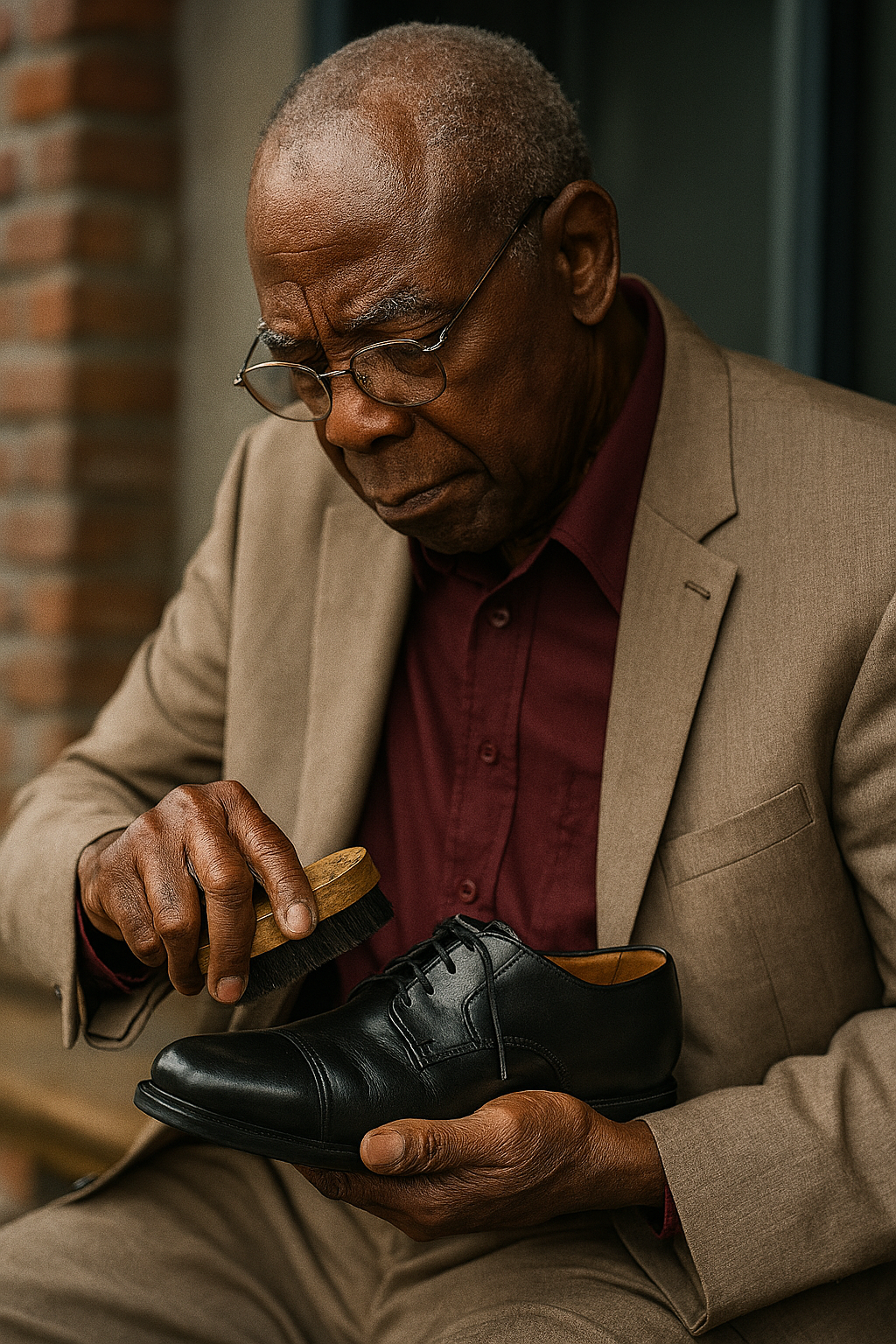
From hair to shoes, our elders prepared with intention—just like they were taught. Shoes were spit-shined the night before.
The right dress, jewelry, and purse were picked out.
Where’s the party?
No party over here—they’re just getting ready for a doctor appointment.
Our Black elders were taught early on—when they were finally allowed to visit a doctor—to always look your best.
The appointment had been on the calendar—or in a notebook, or wherever—so they were mentally prepared.
But for our Black elders, being mentally prepared was only part of it.
Hair.
Clothes.
When you look good, you feel good.
And if there was a car out front, it was cleaned as well.
Big Mama always said:
“Always look your best—your Sunday Best.”
Hair Was Always Done—Even for Checkups
At the barber shop, ole Fred got the works—a close cut and a shave.
Had the others wondering if Fred had someone new.
Fred just had a doctor’s appointment—and had to look his best.
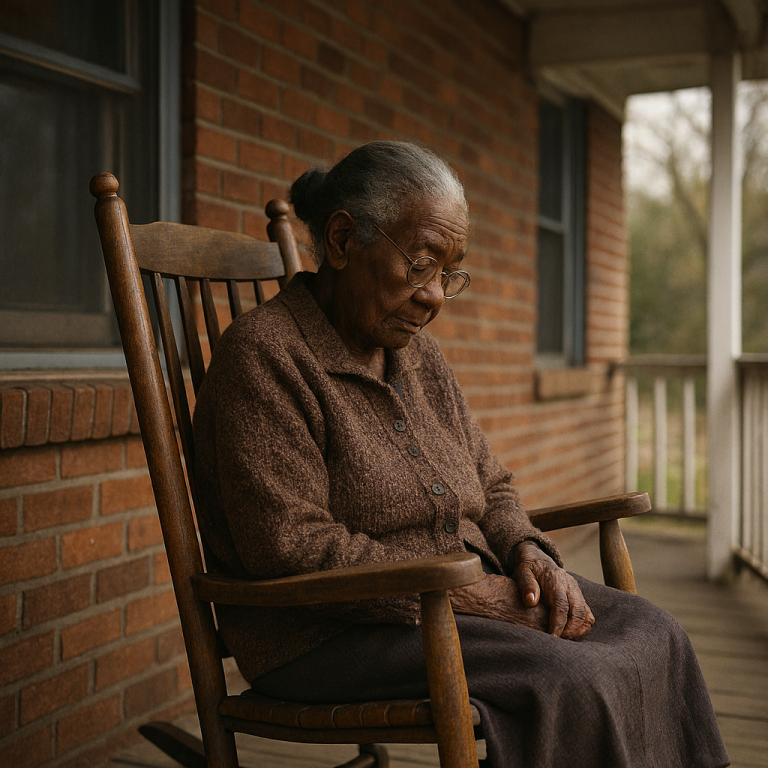
Ms. Nattie had the ladies in the beauty shop whispering.
“Nattie must have someone new.”
“Oh, and she’s getting her nails done too.”
For African Americans, that’s cultural pride.
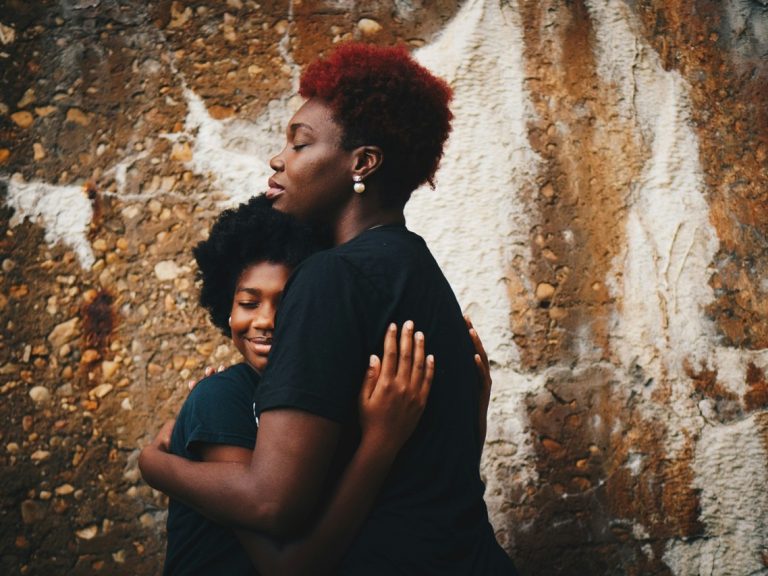
When we go out that front door, we represent all of our people.
For our elders, this grooming was a ritual—and it was taken seriously.
A fresh press.
A scarf tied just right.
Edges laid.
Hair wasn’t vanity—it was dignity.
The Outfit Had a Purpose
Our elders had certain rules they had to follow once they left their mama’s house. When you left the house, you represented her—so, you better represent her well.
Always wear clean underwear in case you have to go to the hospital.
Dress for the doctor like you were going to church.
Those rules was actually dignity in disguise.
They were life lessons on how she wanted you to carry yourself—in hopes that one day you’d want that for yourself.
Shoes weren’t shined—they were spit-shined.
The dresses and pants weren’t just pressed—they were starched.
And everything had a crease.
You would’ve sworn there was a Black fashion show at the doctor’s office.
Elders dressed like they were being seen by more than a doctor.
Our legacy was built on these lessons—and that legacy continues.
Gen X Caregivers Still Carry the Rhythm
“Mama always said”—that thought still lives in the heads of Gen X as they prepare themselves, or an elder, for a doctor’s visit.
That legacy is still being carried forth.
Those spit-shined shoes may be sneakers now—but the intention remains.
Hell, they might break out a pair still in the box—because they must represent.
The hair may not need to be curled or pressed today, but Gen X still has her do right.
When they take an elder to the doctor, they’ve looked them over like a drill sergeant would.
Now they’re doing the telling:
“Mama, you are not wearing those.”
“Daddy, let me take you to get a fresh cut for your appointment tomorrow.”
Gen X caregivers still prep with pride, honoring the ritual.
The torch is now in their hands.
Showing Up Is Still Sacred
Our Black elders have lived through systematic racial injustice—and all the drudgery that came with it.
And still, they maintained racial pride.
When they had to go to the back of the bus—they were more stylish than those in the front.
When they finally got to visit a doctor for a checkup—looking their best was the standard.
The ritual lives on today.
Whether it’s a walk-in visit or a video checkup—hair is done, shoes are shined—they still represent.
Their “just in case” tools are ready to go when they are.
No one will be asking them for their insurance card—and they not have it.
Our Black culture is still showing up today—with intention, with memory, with pride.
Want more stories like this? Browse the foreal section for legacy-rich reflections.
Coming soon: The Flavor Bank—our living archive of Black cultural gems.