When the Strong Ones Start to Break: What We Miss When Our Elders Stop Asking for Help
How the quietest changes in our elders reveal the heaviest truths.
By ~ronnie
“Strength doesn’t disappear — it fades quietly, hoping someone notices.”
The Moment You Realize Something’s Wrong
As I sat by my living room window, I watched my Aunt Nina leave her house and head toward the corner store for her weekly lottery tickets. She made that trip like clockwork — same day, same time, same steady walk. You could set your watch by her.
But an hour passed, and she still wasn’t back. I stepped onto my porch, a little uneasy, and finally saw her coming down the street. Relief hit me first… until she walked right past her own house.
“Auntie, where ya going?” I called out.
Startled, she looked up and said, “Baby, I’m going home.”
By then, I was already crossing the street. “Auntie, you’re walking past your house.” She laughed it off — embarrassed, trying to play it cool — and turned around. But something was off. She had no lottery tickets in her hand, something she never forgot.
Aunt Nina was the definition of strength and precision. And at that moment, I realized something was slipping.
What Strength Looked Like When We Were Growing Up
Aunt Nina was the oldest of three girls, and she was the shot caller. Their mother worked long hours — sometimes multiple jobs — to keep food on the table after their father passed away. That meant Aunt Nina stepped up early. She became the sergeant‑at‑arms of the house, the second in command, and she took that role seriously. She made sure her sisters ate, finished their homework, and went to bed on time. When she said, “It’s bedtime,” they knew she meant it.
When she had her own family, she ran her home with the same precision. Her kids always had a meal, went to church, and she drilled into them that school was their job. She shouldered the weight of raising a family and never complained. She made hard work look easy because she didn’t have the luxury of breaking — too many people depended on her to keep things solid.
So, when she walked past her own home that day, it wasn’t a small slip. It was a sign that something in her world had shifted.
Why Our Elders Don’t Ask for Help
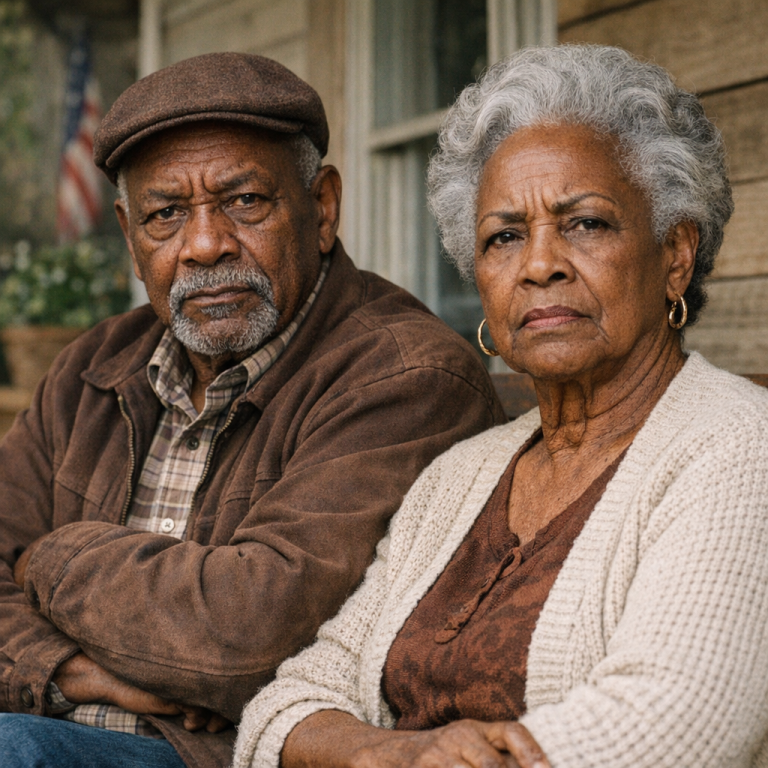
Our elders grew up in a time when being African American was difficult, to say the least. Luxury wasn’t even a thought — survival was the focus. You didn’t borrow sugar from the neighbor; you shared what you had, if you had anything at all. Everyone with the same skin color was facing the same struggles, so elders learned early to rely on themselves.
Those survival skills became their foundation. They taught their children that asking for help was a weakness, and in those days, weakness meant the family didn’t eat. Pride kept them moving, even when life was heavy. Pride kept them from asking for anything they couldn’t provide themselves.
That generational silence — the silence that said “we’ll figure it out” — carried them through the hardest times. It protected their dignity. But it also taught them to suffer quietly, even when the weight became too much.
What We Don’t See Until We’re Older
Thinking back, we remember Mama and Daddy smiling all the time — at least that’s how it felt to us as kids. But now I understand where those smiles went. Their hearts were still smiling, but their lips weren’t. Those smiles were replaced by the quiet concern of making it to the next week, not celebrating that they made it, but sighing in relief as they prepared to do it all over again.
Back then, we didn’t know about their worries. We had clothes on our backs and food in our stomachs, and that was enough for us to believe everything was fine. If they were tired, we didn’t know. If they were sad, we didn’t know. They hid it well — a lifelong game of hide‑and‑seek with their feelings, and they were better at the game than we ever realized.
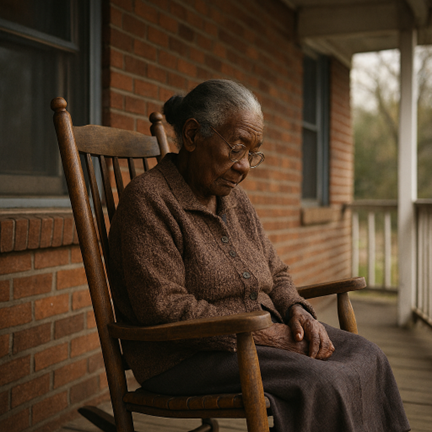
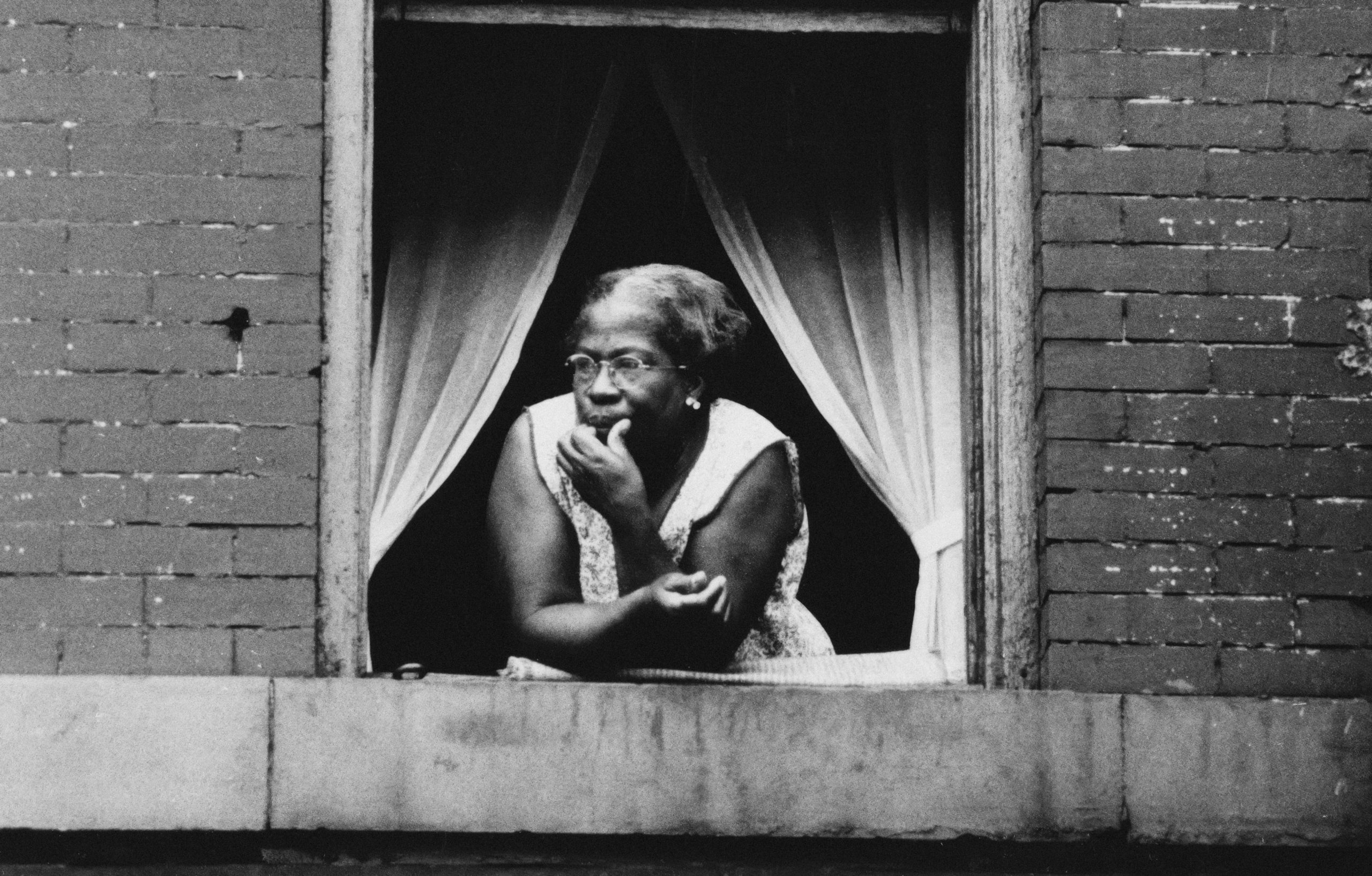
Now, with a lifetime of carrying the burden of raising a Black family behind them, where do they turn when their strength is no longer needed in the same way? They sit with the only thing they have left to do—remember.
How We Step In Without Taking Their Dignity
Remember, these are our elders—and pride and dignity were their food of choice, sometimes by necessity. They’ve spent generations digesting that. So, when help is needed, it isn’t because they asked for it; it’s because you care enough to notice the shift.
Our elders lived a lifetime being independent, and taking that away—even with good intentions—can strip them of the very thing that kept them going. Respect must guide every step. The goal isn’t to take over their lives, but to replace their silence with meaning.
Show up consistently. Visit them. Sit with them. Fill the empty spaces they now find themselves living in. Offer support in ways that still honor who they’ve always been.
Because in their world, dignity matters as much as the help you give.