The Loneliness Our Black Elders Never Admitted To
The quiet isolation behind the strength we depended on.
By ~ronnie
“Strength kept them alive, but silence kept them lonely.”
The Mask They Wore
When we look back on those days, we remember a house full of noise, movement, and love. Kids ripping and running when they should have been at the table doing homework. Mama shouting from the kitchen, “I’ll be out there in a minute to check your homework,” and the kids scrambling back to their seats because they knew she meant it.
Mama always knew what they were up to. But she stayed in that kitchen, stirring pots, seasoning food, and keeping the house running. Sometimes it felt like the kitchen was her escape from the chaos happening everywhere else.
It wasn’t like the families on TV. Mama didn’t get to sit down with a glass of wine and unwind. There was always something to do. And even though she smiled and hummed while she worked, there was a quietness about her. A silence that felt like it wanted to speak. A silence that held things she never said out loud.
Lonely in a Full House
Their loneliness lived in the quiet moments after the chaos settled. When the dishes were done, the kids were finally in bed, and the house stopped moving, that was when the truth showed itself. They would sit in the living room watching Barnaby Jones with the volume turned low. They weren’t really watching. They were letting the sound fill the space where conversation should have been.
They carried isolation the same way they carried everything else: quietly, without complaint, and without asking for anything in return. They didn’t have the freedom, or maybe the permission, to say “I’m tired,” or “I need help,” or “I feel alone.” So they held it deep inside and kept moving, the same way their elders did before them.
And because they never named it, we never learned to recognize it.
Love That Didn’t Come Back to Them
While we played kickball without a care or sat down to hot meals that filled our stomachs, we had no idea what made all of that possible. We didn’t understand that someone had to work long hours to give us that kind of carefree childhood. The clean house we bragged about and the fresh clothes we were proud to wear were things we took for granted.
Our elders poured everything they had into everyone else’s needs, but were rarely poured into themselves. They said nothing, so we mistook their silence for satisfaction. Giving wasn’t just something they did. It was an unwritten part of the job. When they went shopping, it was always for someone else. When money was tight, they were the ones who went without. When the family needed something, they were the first to step up and the last to rest.
Their loneliness didn’t come from being unloved. It came from giving more than they ever received.
Aging Into Isolation
And the loneliness didn’t stop. It deepened. Years passed, the kids grew up, and the house that once shook with noise settled into a heavy quiet. Many of their old friends had moved away or passed on. The routines that once gave their days shape, like shopping, cooking, and homework checks, were no longer needed. Their world shrank slowly, then all at once.
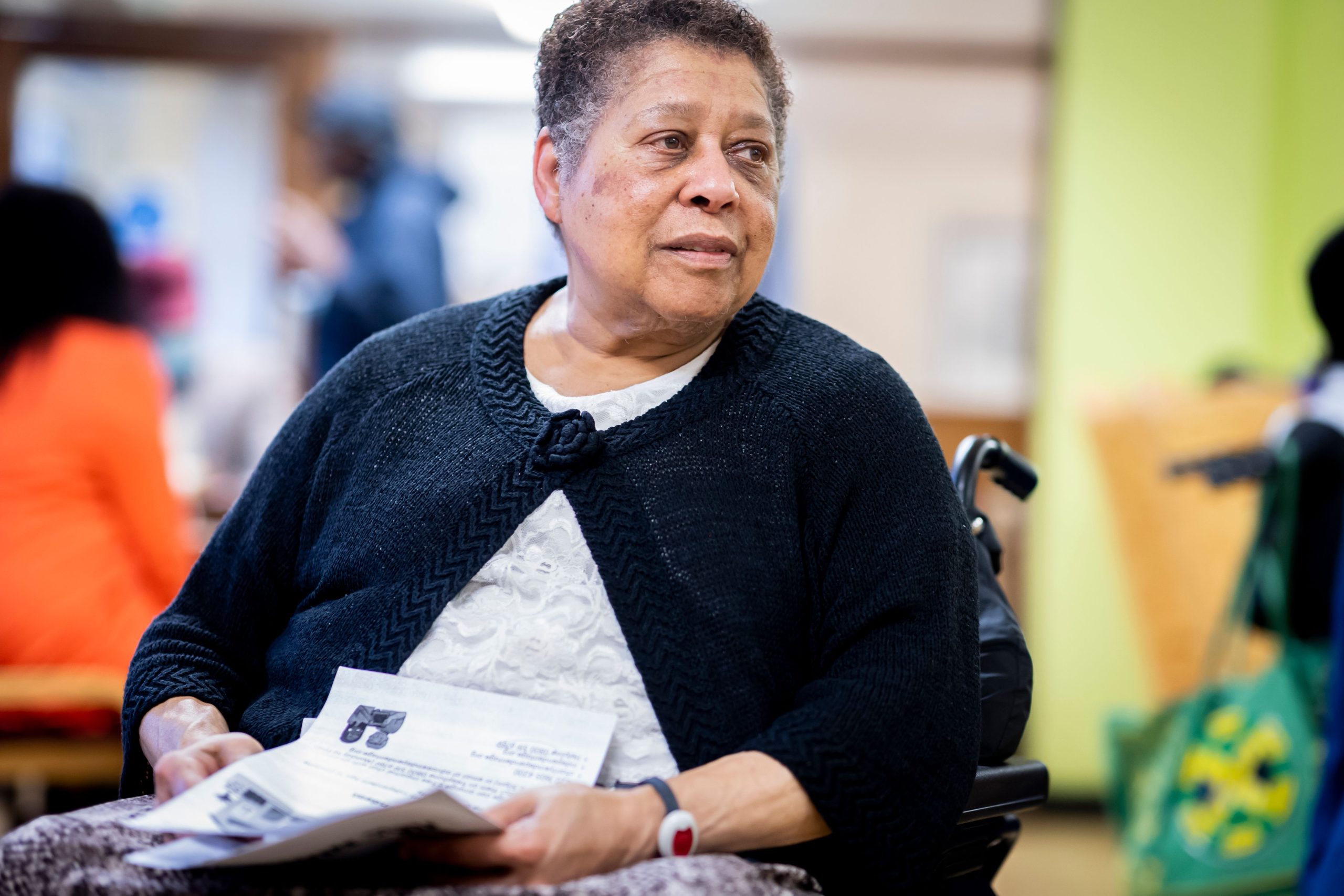
As they aged, the silence wrapped around them so tightly it felt like it was taking their breath away. When we were younger, we had an excuse. We didn’t know. But their loneliness in later years was a different kind of lonely. Before, they had children running through the house calling “Mama” every five minutes. Now it was just them. No footsteps. No voices. No one needing anything.
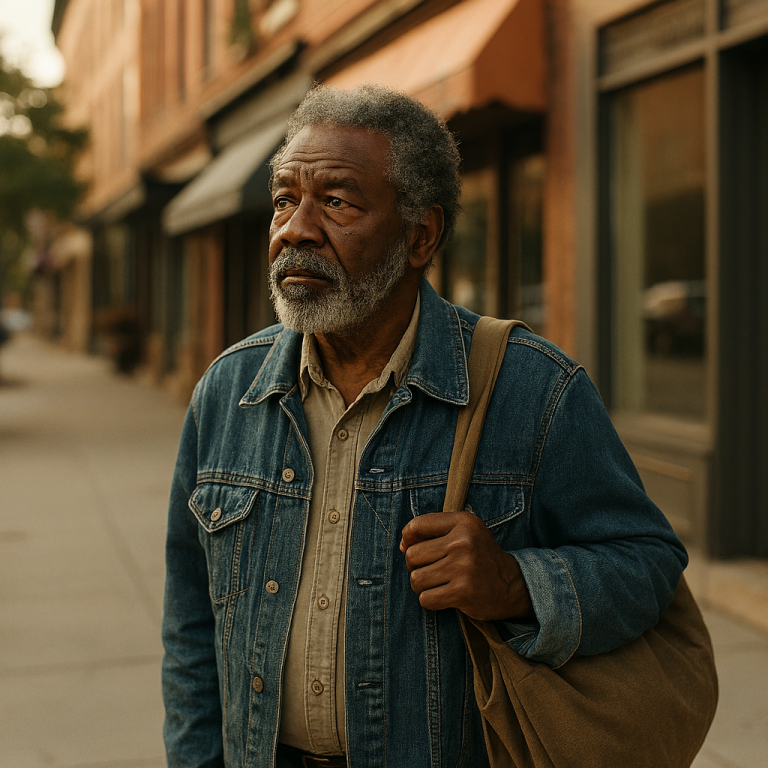
The shield they once held to protect the family from the ugliness outside the front door became something else. It became a barrier that enclosed around them. They were still strong, still steady, still dependable, but now they were carrying all of that strength alone.
What We Owe Them Now
We owe our elders for the love, devotion, and care they poured into us when we needed it most, when we could not do for ourselves. It was never an easy job, even though they made it look effortless. And it was a lonely job, one that demanded sacrifice after sacrifice. When they bought us the latest kicks, they also walked past a pair of pumps they wished they could afford. They put us first in everything, and sometimes they did the same for the kids down the street. That is what Black culture taught them: take care of those in need, especially family.
We honor them by acknowledging the emotional cost of that strength. We honor them by seeing what they never said out loud.
And now that we understand the loneliness they carried, we can show up differently. We can call and ask, “How are you?” and stay long enough to hear the real answer. We can visit, sit with them, and invite them into our lives instead of assuming they are fine on their own. They do not have to keep living inside that quiet isolation, not now that we finally recognize what it cost them.
Let them know you see their strength. Let them know you understand the loneliness that came with it. And let them know you honor their legacy, fully, honestly, and out loud.