
Medical Gaslighting: Why Black Women’s Pain Is Still Dismissed in Healthcare
Understanding how bias, disbelief, and dismissal in medical settings harm Black women as they age, and how families and caregivers can advocate for better care.
By ~ronnie
“Strength kept them alive, but silence kept them unseen. Now the system still refuses to hear their pain.”
The Long History of Not Being Believed
Black women have spent generations contending with injustice in nearly every corner of daily life. Even simple tasks like shopping for their families or choosing a school for their children came with barriers that others didn’t have to think about.
But life still had to move forward.
Peas still got washed. Cornbread still got cooked. Families still had to be cared for.
At the very foundation of life, their health, many Black women have also had to maneuver through a healthcare system where pain can be questioned, symptoms minimized, and concerns dismissed. Research has documented racial bias and inequities in pain assessment and care. For an older Black woman, disbelief at the doctor’s office may not feel like something that suddenly appeared with age. It can feel like one more burden carried into her senior years.
How Bias Shows Up in Doctor’s Offices Today
Black women have been dealing with disrespect for a long time. Back then, folks didn’t always bother hiding it. They could say it straight to your face.
Today it may be less obvious, but dismissal can still happen.
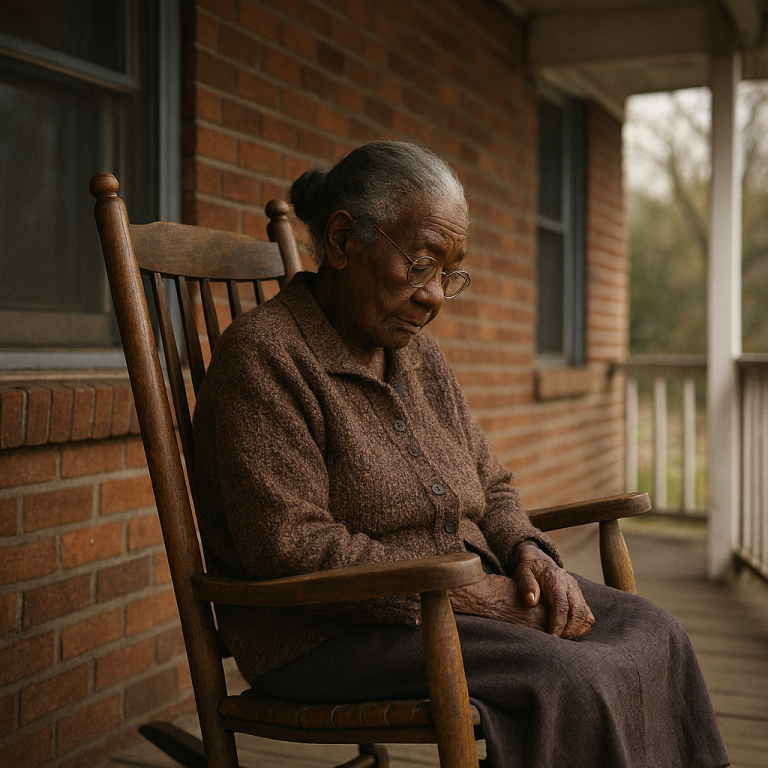
An older Black woman may walk into a doctor’s office with pain or another troubling symptom and leave feeling rushed, brushed off, or told that what she’s experiencing is simply part of getting older.
But concerning pain deserves to be taken seriously and properly evaluated.
Sometimes a patient asks whether additional testing is needed and doesn’t understand why it isn’t recommended. Sometimes symptoms are attributed to anxiety without the patient feeling that other concerns were fully addressed.
The pain is real. The fear is real. And feeling dismissed can be real too.
She can leave the appointment feeling exactly as she did when she walked in, except now she’s wondering whether she should trust what her own body is telling her.
No answers. No relief.
And sitting in the car afterward, she may wonder:
“Why did I even come here?”
The Emotional Toll of Being Ignored
“How’d your doctor’s appointment go today?”
“It went okay.”
Sometimes it’s what isn’t being said that tells the real story.
She didn’t come home with new instructions. She didn’t get the answers she hoped for. Most of all, she may not feel that somebody actually listened.
Repeated dismissal can wear a person down.
Older adults who repeatedly feel unheard may become frustrated or discouraged about explaining their symptoms again. And for some Black elders, today’s experience can sit alongside memories of how they were treated decades ago.
They hoped things would be different by now.
Eventually, some may become reluctant to seek care because they’re tired of fighting to be heard.
Why Some Black Women Downplay Their Pain
Pain and disappointment aren’t new experiences for many Black women. Neither is carrying on when life gives them little choice.
Job lost? Keep moving.
Housing problem? Keep moving.
Family depending on you? Definitely keep moving.
Many grew up during times when being strong, quiet, and self-sacrificing was treated as necessary for survival.
But habits built around strength can sometimes make asking for help difficult.
Dropping a skillet on their foot wouldn’t necessarily stop that fish from getting fried. Those kids still had to eat. Life didn’t pause just because somebody was hurting.
So when an older Black woman finally says something is wrong, listen.
She may already have spent years minimizing discomfort and pushing through pain.
She shouldn’t have to fight to make her concerns matter.
How Families and Caregivers Can Advocate for Better Care
Just because an elder comes home from a doctor’s appointment and doesn’t ask for help doesn’t mean everything is fine.
And if you’re waiting for them to speak up, you may be waiting until the Twist comes back to the dance floor.
Families and caregivers can help by becoming another set of ears and another source of support.
If the elder wants you there, attend medical appointments with them. If you can’t go, or they prefer to go alone, help write down simple, clear questions beforehand. Keep the questions understandable enough to remember and repeat.
Document symptoms and concerns. Ask the healthcare professional to explain why a test, treatment, or further evaluation is or isn’t recommended. If serious concerns remain unresolved, ask what appropriate next steps are.
Showing up matters.
Listening matters.
Clear questions matter.
Documenting symptoms matters.
And respectful advocacy matters.
Older adults have spent a lifetime taking care of themselves and everybody else. Pride, independence, and memories of how things used to be can sometimes make accepting help difficult.
Supporting an elder isn’t confrontation.
It’s protection.