The Silent Weight of High Blood Pressure
Managing what you can’t feel—until it’s too late
By ~ronnie
“Just because you can’t feel it doesn’t mean it’s not working on you.”
The “Silent Killer” Is Real
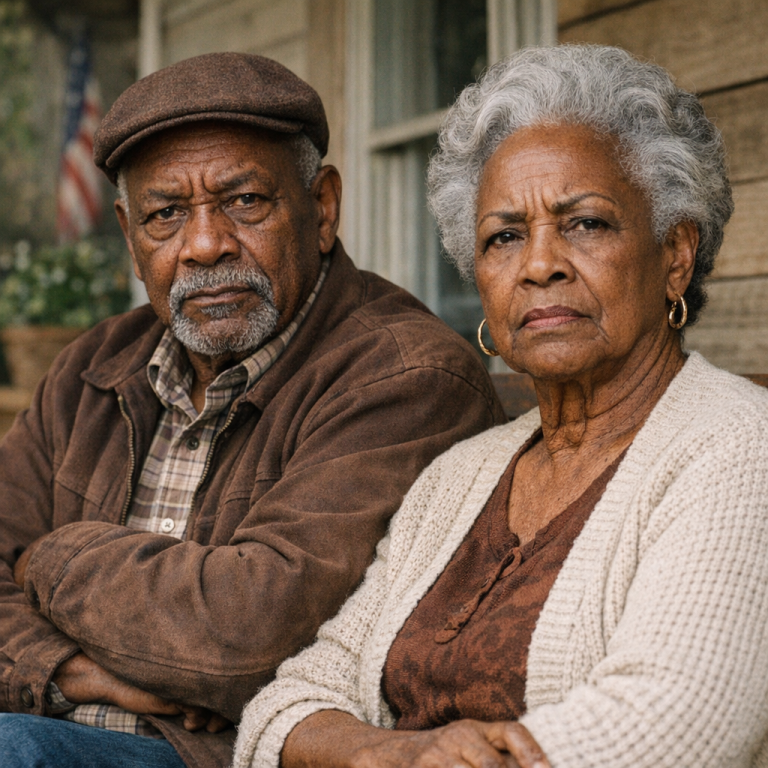
Our elders taught lessons in two ways: some you watched, and some you heard.
“Baby, you’d better watch your pressure.”
That wasn’t just a saying — it was a warning shaped by watching loved ones suffer from something you can’t see coming.
High blood pressure doesn’t tap you on the shoulder.
It doesn’t shout.
Most of the time, it whispers — a small headache you brush off, an itch you ignore, a tired feeling you blame on the day.
But with every heartbeat, it’s there, working quietly in the background.
People like to say it’s a “Black disease,” but the truth is it affects every race. What our elders understood, though, is how deeply it hits our community — young and old.
Pressure means something is building.
Just like a pipe, it can only take so much before something gives.
That’s why our elders kept repeating it:
“Watch your pressure.”
Because you can’t feel it doesn’t mean it isn’t working on you.
What It’s Doing Behind the Scenes
“That pressure got him.”
“He was taken too soon.”
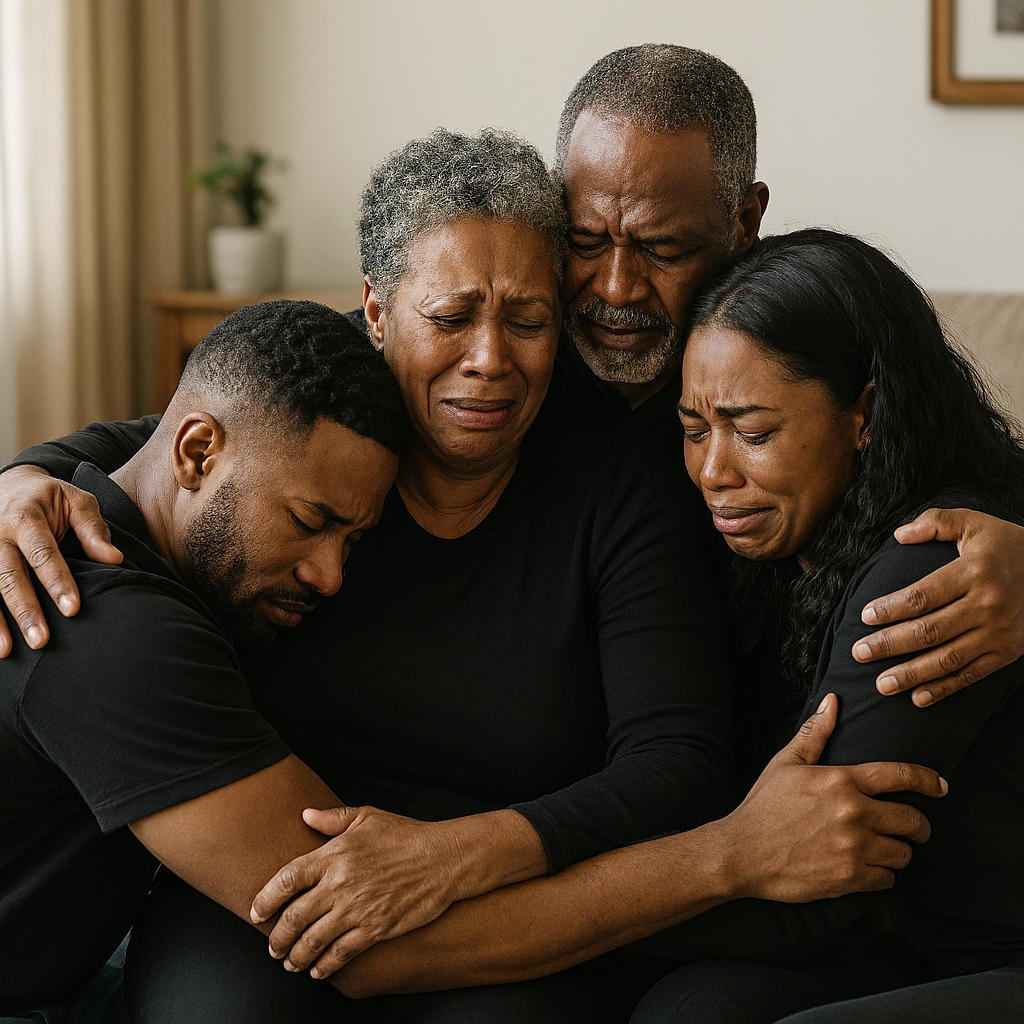
We’ve heard those words our whole lives — whispered at funerals, spoken in kitchens, passed down like warnings wrapped in love.
High blood pressure doesn’t make an announcement.
Young or old, it works quietly, putting strain on the body long before anyone knows something is wrong.
Cousin Sid was out bowling one night, laughing and talking trash like always. By the next morning, he was gone — a stroke taking him before anyone could make sense of it.
“Child, that pressure will take you outta here.”
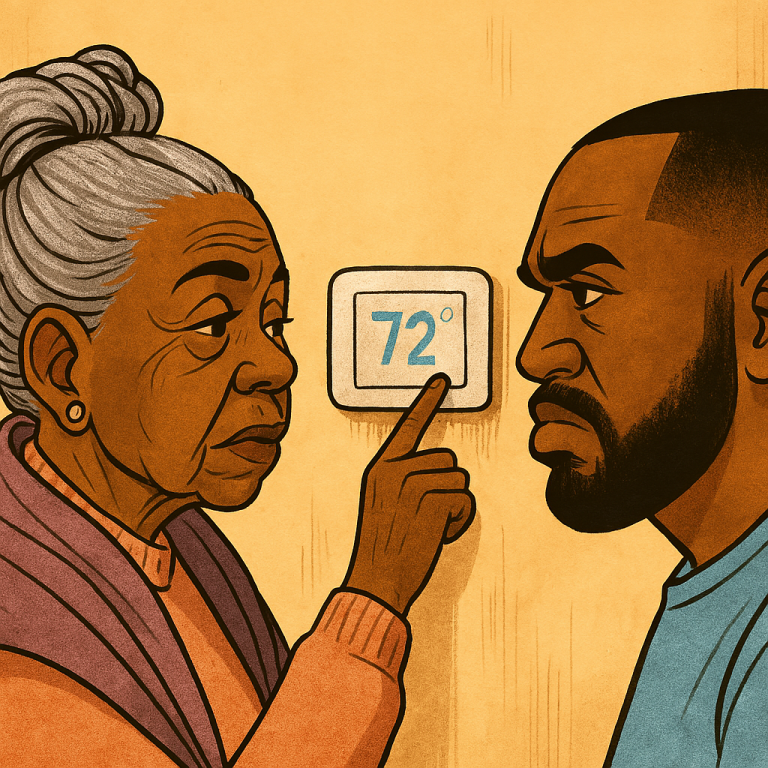
If the oven is too hot for the cornbread, we turn the heat down.
We fix what we can see.
But inside the body, we don’t see the slow changes — the narrowing, the strain, the things that don’t show up until it’s too late.
Aunt Susie’s aneurysm came out of nowhere. One minute, she was fine; the next minute, the whole family was grieving.
From kidneys to memory, this thing touches everything — quietly, steadily, without warning.
Our elders tried to tell us.
Some warnings we ignored.
But this one?
This might be the only warning you get about the silent weight of high blood pressure.
You Can’t Heal What You Ignore
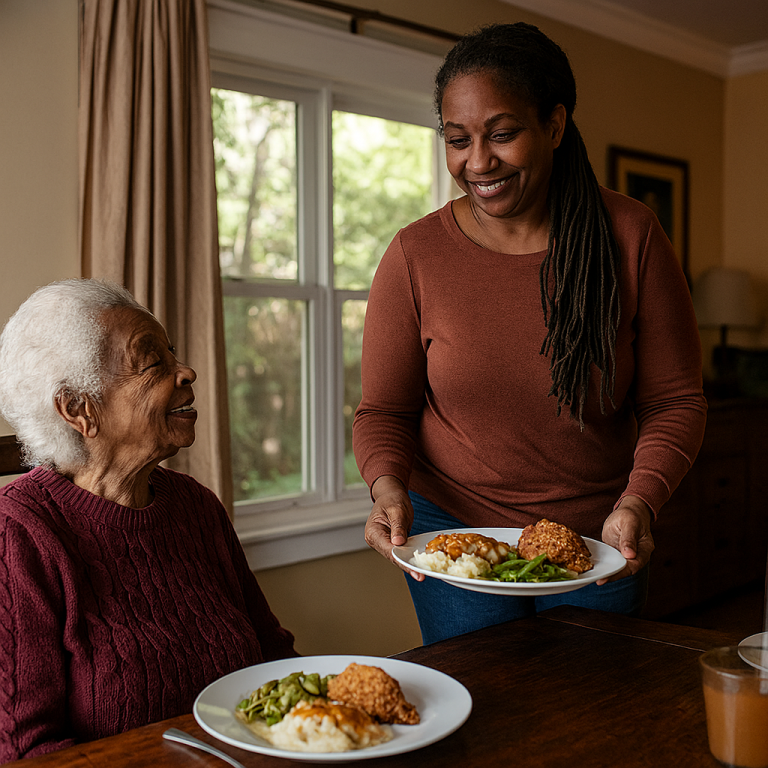
Sunday Dinner was always a special time — the whole family crowded around the table, laughter bouncing off the walls, and Big Mama watching over everything like the general she was. On your plate sits a big helping of greens with a ham hock resting right on top. You were always her favorite, and she never let you forget it.
You ask your cousin to pass the salt, and before he can even reach for it, you hear Big Mama’s voice cut through the room.
“Boy, that don’t need no salt. I seasoned those greens.”
That wasn’t fussing.
That was love disguised as correction.
Big Mama knew things.
She knew what certain habits could do to a body over time, even if she never used fancy words for it. She’d seen too many folks taken too soon, too many families grieving somebody who “looked fine yesterday.”
So when she said, “Boy, you’re supposed to bury me, not the other way around,” she wasn’t joking.
That was her way of saying she wanted you here — alive, present, and living long enough to tell your grandkids the same thing.
Our elders understood something we often ignore:
You can’t fix a problem that you refuse to face.